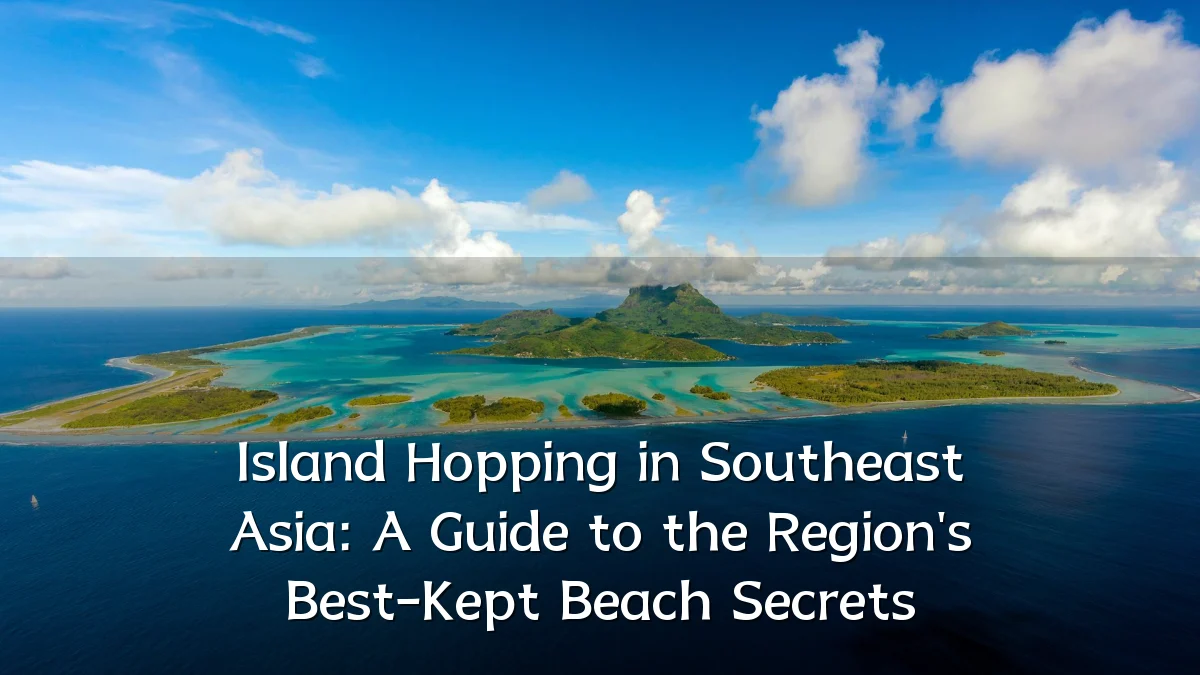
Island Hopping in Southeast Asia: A Guide to the Region's Best-Kept Beach Secrets
Recent Trends in Off-Path Island Travel
Travelers increasingly seek alternatives to crowded, commercialized beach destinations in Southeast Asia. Digital platforms and word-of-mouth now spotlight smaller islands that previously relied on local tourism only. Ferry routes, small-scale eco-resorts, and community-run homestays have grown in frequency and availability, making these once-difficult-to-reach shores more accessible.
- Mobile booking apps now list direct transfers to lesser-known islands, reducing the need for multi-leg journeys.
- Short-term rental platforms have expanded into remote coastal areas, offering private bungalows at moderate rates.
- Social media influencers and regional travel bloggers increasingly feature islands with limited infrastructure, driving curiosity among adventurous visitors.
Background: Why Some Beaches Remain “Secrets”
Many of the region’s best-kept beaches are located in archipelagos that lack large-scale resort development or international airport links. National marine parks, indigenous community lands, and areas with seasonal monsoon access historically limited mass tourism. Some islands remain little-known because they sit outside the main ferry corridors or have strict environmental regulations.

Examples of such areas include certain islands in the Mergui Archipelago, the outer islands of Raja Ampat, and parts of the eastern Philippines. These locations typically offer fewer amenities but richer natural landscapes and lower visitor density.
User Concerns: Logistics, Safety, and Sustainability
Travelers considering these isolated destinations commonly raise several practical issues:
- Transport uncertainty: Ferry schedules can change seasonally; weather conditions may cause last-minute cancellations. Booking flexible tickets or consulting local operators directly is advisable.
- Limited services: Small islands might have no ATMs, intermittent internet, and minimal medical facilities. Carrying sufficient cash and basic supplies is recommended.
- Environmental impact: Fragile ecosystems — coral reefs, turtle nesting sites, mangrove forests — require responsible behavior. Many islands enforce visitor limits or require permits.
- Safety considerations: Some remote beaches lack lifeguards or rescue equipment. Understanding local currents and tides is essential. Travel insurance that covers water activities is widely advised.
Likely Impact on Regional Tourism
The gradual opening of these hidden beaches is expected to redistribute visitor numbers away from heavily visited spots such as Phuket, Bali, or Boracay. This dispersal can reduce overcrowding at major hubs while providing economic benefits to smaller communities. However, sudden spikes in attention risk straining local infrastructure and natural resources.
Several national tourism boards have begun marketing “off-the-beaten-path” campaigns, often in partnership with conservation organizations. These efforts aim to balance promotion with preservation by encouraging longer stays, lower-impact activities, and compliance with local rules.
What to Watch Next
Several developments could shape access to and enjoyment of these secret beaches in the near future:
- Regulatory changes: Some governments are considering stricter permit systems or daily caps for sensitive islands. Others may improve ferry subsidies to support remote communities.
- Infrastructure projects: New small-scale airports or upgraded docking facilities are under discussion in a few archipelagos, which could alter accessibility but also environmental pressures.
- Climate effects: Rising sea levels and changing weather patterns may shift the seasons when certain islands are safe or pleasant to visit.
- Community-led tourism models: Indigenous and village cooperatives are increasingly managing their own guesthouses and tours, offering travelers an authentic cultural exchange while maintaining control over visitor numbers.
For travelers who prioritize quiet shores, intact ecosystems, and local hospitality over luxury amenities, the region’s best-kept beach secrets remain accessible with careful planning and a willingness to adapt. The balance between discovery and protection will likely define the future of island hopping in Southeast Asia.