Behind the Lens: How Professional Travel Magazines Choose Their Cover Shots

Recent Trends in Cover Selection
Editorial teams are placing greater emphasis on visual authenticity and emotional resonance. Cover shots increasingly favor candid moments over staged compositions, and images that capture a sense of place without relying on clichéd landmarks. There is also a noticeable shift toward featuring lesser-known destinations and underrepresented perspectives, reflecting broader changes in travel media.
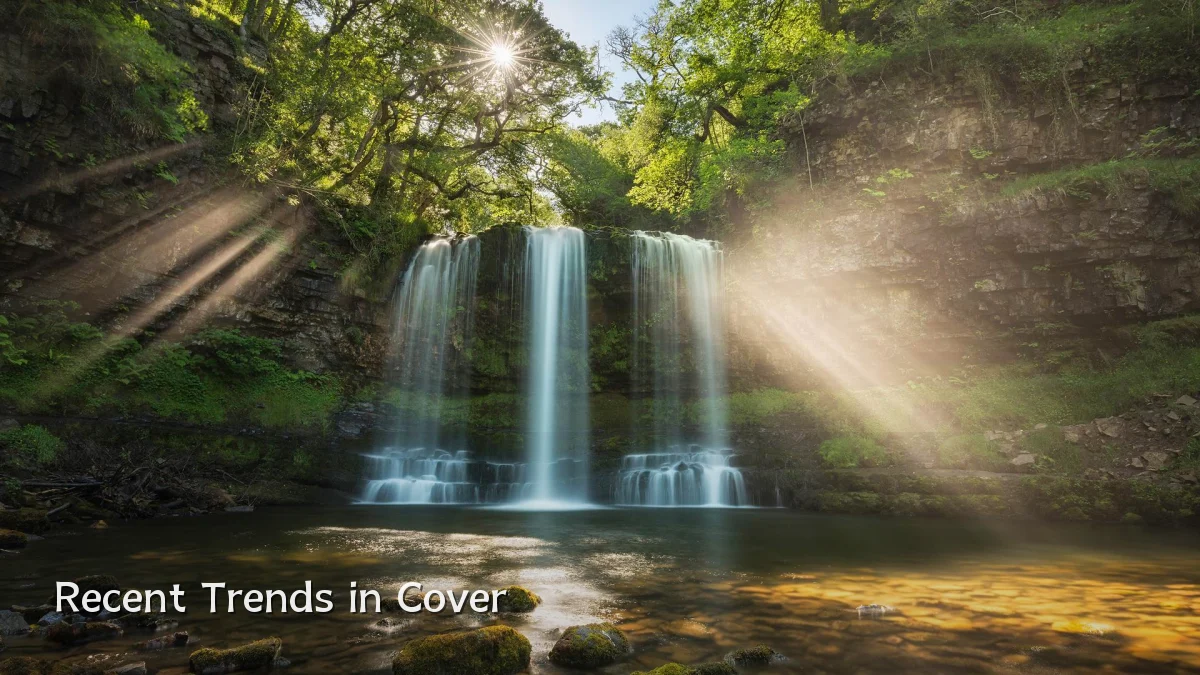
- Use of atmospheric storytelling — wide landscapes with human scale, not just postcard views
- Preference for natural light and warm color palettes to evoke mood
- Growing demand for images that show local interaction or cultural nuance
- Fewer hero shots of icons (e.g., Eiffel Tower, Taj Mahal) unless paired with a fresh angle
Background: The Traditional Selection Process
For decades, cover decisions were guided by a handful of fixed criteria: high resolution, strong composition, brand compatibility, and a clear hook that could be summed up in a headline. Editorial teams typically reviewed dozens of options from staff photographers, freelance portfolios, and stock archives. The final choice was often a collaborative decision between the photo editor, creative director, and editor-in-chief, with market testing used occasionally.

- Technical benchmarks included sharpness, exposure, and cropping flexibility
- Seasonal themes and issue schedules heavily influenced subject matter
- Exclusivity rights and the photographer’s reputation sometimes tipped the balance
User Concerns: What Readers and Photographers Notice
Frequent readers expect the cover to reflect the magazine’s editorial voice and not feel like a misleading advertisement. Photographers, meanwhile, worry about overly sanitized selections that prioritize safety over originality. A common complaint is that some covers appear generic or recycled, especially when multiple titles run similar tropes — such as a lone hiker on a ridge or a pastel-toned café table. Privacy and consent issues have also emerged, as street photography and portraits of local people require careful rights management when used prominently.
- Readers value covers that match the actual content inside
- Photographers want transparent submission guidelines and fair compensation for cover usage
- Lack of diversity in cover subjects can alienate segments of the audience
Likely Impact on the Industry
As consumer attention competes with algorithm-driven feeds, travel magazines are rethinking cover strategy to differentiate in a crowded visual marketplace. The shift toward authentic narratives may reduce reliance on stock imagery that is visually perfect but culturally flat. Smaller magazines with limited budgets may benefit from tapping into citizen photography or regional commissions. However, the increased demand for unique material could also push up licensing fees for high-quality, original work. The role of the photo editor is expanding to include sensitivity readers and cultural consultants to avoid misrepresentation.
- Cover decisions will likely involve more data — A/B testing with subscribers or social media reactions
- Magazines may adopt seasonal themes linked to timely travel realities (e.g., sustainability, overtourism)
- Freelance photographers who can offer both strong images and story pitches will have an edge
What to Watch Next
Industry observers are watching whether travel magazines will move toward dynamic covers — short video loops or animated stills for digital editions — while maintaining a static image for newsstands. Another area to monitor is the use of AI-generated backgrounds or elements in cover photography, as questions of authenticity and labeling arise. Audience-submitted photo contests may influence some cover selections, blurring the line between professional and enthusiast work. Finally, the extent to which climate change and responsible travel narratives reshape editorial priorities will test how cover shots balance beauty with documentary weight.
- Adoption of motion covers in digital-first magazine platforms
- Ethical guidelines for altering cover images (e.g., removing crowds, color grading)
- Rise of collaborative covers — stories co-curated with local photographers
- Possible decline of single-subject hero shots in favor of collage or layered imagery