The Rise of Regenerative Travel: How to Leave a Place Better Than You Found It
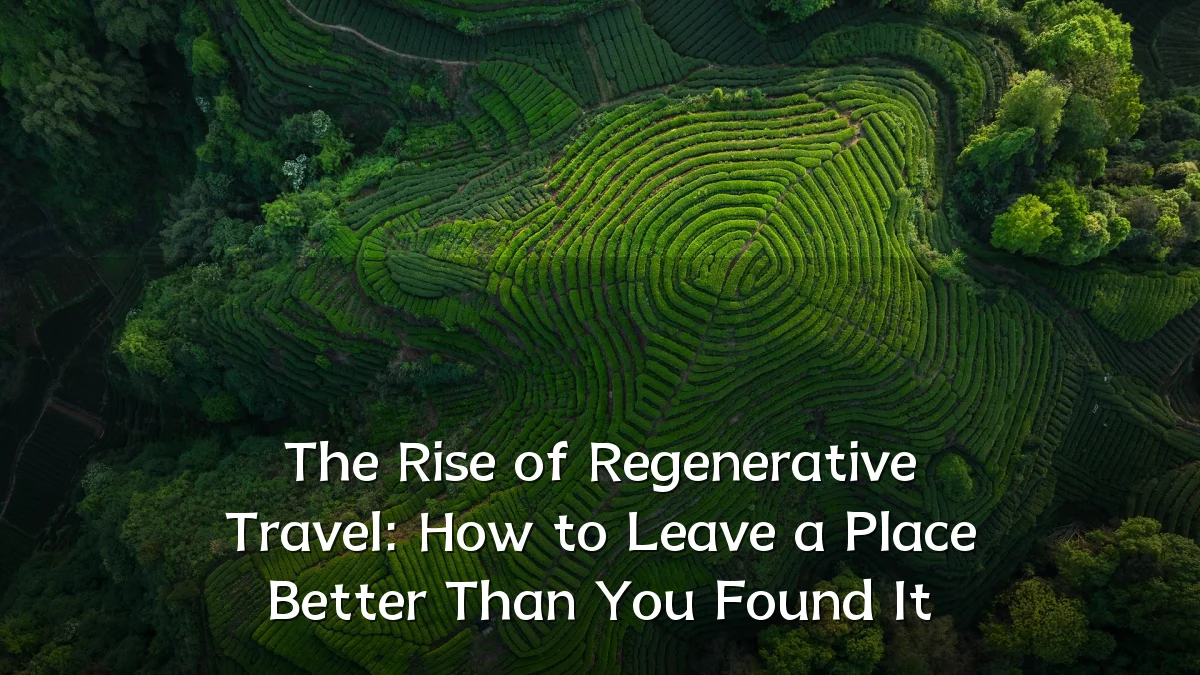
The travel industry is shifting beyond sustainability. A growing number of travellers and operators now aim not just to minimise harm, but to actively restore ecosystems, support local economies, and strengthen cultural heritage. This approach, known as regenerative travel, moves the conversation from “doing less bad” to “leaving a place better than you found it.” Below, a neutral news-style analysis of the trend.
Recent Trends
In the past few travel seasons, several indicators point to regenerative travel gaining traction:

- Tourism boards in destinations such as Costa Rica, New Zealand, and parts of Scandinavia have publicly adopted regeneration frameworks in their marketing and planning.
- A measurable increase in volunteerism and conservation-focused lodges that combine stays with hands-on restoration projects—tree planting, coral reef rehabilitation, or trail maintenance.
- Travel media and guidebook publishers now regularly include regeneration criteria in their “best of” lists, often alongside carbon-offset metrics.
- Anecdotal feedback from tour operators suggests that travellers under 40 are especially willing to pay a premium for trips that demonstrate measurable positive outcomes.
Background
Regenerative travel builds on the earlier “sustainable tourism” and “ecotourism” movements, but with a more ambitious goal. Where sustainable tourism aimed to reduce negative impacts (e.g., waste, carbon emissions), regenerative travel seeks to repair past damage and create net-positive effects. The concept borrows from regenerative agriculture and ecological design—thinking of travel as an activity that can contribute to the health of a destination’s social and natural systems.

Key pillars include:
- Ecological restoration: Supporting projects that rebuild biodiversity, improve water quality, or sequester carbon.
- Community reciprocity: Ensuring that local residents gain long-term economic and cultural benefits, not just seasonal employment.
- Circular resource use: Designing accommodations and tours that operate on closed-loop systems for energy, water, and waste.
User Concerns
Travellers interested in regenerative experiences often face practical uncertainties:
- Verification: How can a traveller distinguish genuine regeneration from greenwashing? Look for third-party certifications (e.g., B Corp, Rainforest Alliance) or operators that publish transparent impact reports with specific metrics (e.g., number of trees planted per guest, or litres of water returned to local aquifers).
- Cost and accessibility: Regenerative trips typically involve smaller groups, higher staff-to-guest ratios, and direct investment in local projects, which can raise prices by 20–50% compared to conventional tours. Flexible booking policies and early-bird discounts are common.
- Time commitment: Many regenerative experiences require stays of at least three to five days to allow for meaningful participation in restoration work and community engagement.
- Cultural sensitivity: Some travellers worry about “voluntourism” pitfalls—unskilled labour that does more harm than good. Quality programmes prioritise training, local leadership, and long-term monitoring.
Likely Impact
The regenerative travel model is still niche but growing. Over the next several years, its impact may include:
- Destination resilience: Regions that adopt regenerative practices may recover faster from overtourism or climate shocks, because they invest in natural buffers and diversified local economies.
- Industry standards: As more operators adopt measurable regeneration goals, baseline expectations for all tourism may rise. Airlines, hotels, and cruise lines could face pressure to demonstrate net-positive contributions.
- Shifts in traveller behaviour: Instead of choosing a destination purely for its scenery or attractions, travellers may increasingly weigh the destination’s current ecological and social health—and their ability to improve it during their stay.
- Potential pitfalls: If the term is overused without clear standards, “regenerative” could become a diluted marketing label. Industry bodies are currently debating whether to create a formal definition and certification framework.
What to Watch Next
Travellers and industry observers should monitor these developments in the coming year:
- Regulatory moves: Several national tourism ministries are piloting “regeneration index” scores for accommodations and excursions, similar to star ratings. If widely adopted, they could guide traveller decisions.
- Financing models: Look for destination-specific funds that allow travellers to contribute a small percentage of their trip cost to a local restoration project—and to see the results via real-time dashboards.
- Technology integration: Apps that track an individual traveller’s footprint and suggest regeneration activities (e.g., “your flight emitted X kg CO₂; here are three restoration projects nearby where your booking can offset it”) are in early beta.
- Community-led initiatives: Indigenous and rural communities are increasingly designing their own regenerative tourism offerings, often bypassing traditional operators. Watch for platforms that connect travellers directly with these groups, ensuring fair revenue sharing.