Beyond London: Discovering England’s Secret Countryside Gems

Recent trends in rural travel
Since the easing of domestic travel restrictions, a growing number of visitors to England have turned their attention away from well-trodden London circuits toward lesser-known rural destinations. Search data from travel platforms indicates a steady rise in queries for “off-the-beaten-path” countryside stays, with terms such as “secret valleys” and “quiet walking routes” gaining traction. Social media feeds increasingly highlight remote villages, ancient woodlands, and coastal hamlets that previously received little mainstream coverage. This shift appears driven by a desire for more spacious, crowd-free environments and authentic local experiences rather than tick-box sightseeing.

Background: England’s overlooked landscapes
England’s countryside has long been celebrated in literature and film, yet many areas remain surprisingly undiscovered by international visitors. While the Lake District, Cornwall, and the Cotswolds attract large numbers, countless smaller regions offer comparable natural beauty without the congestion. For example:
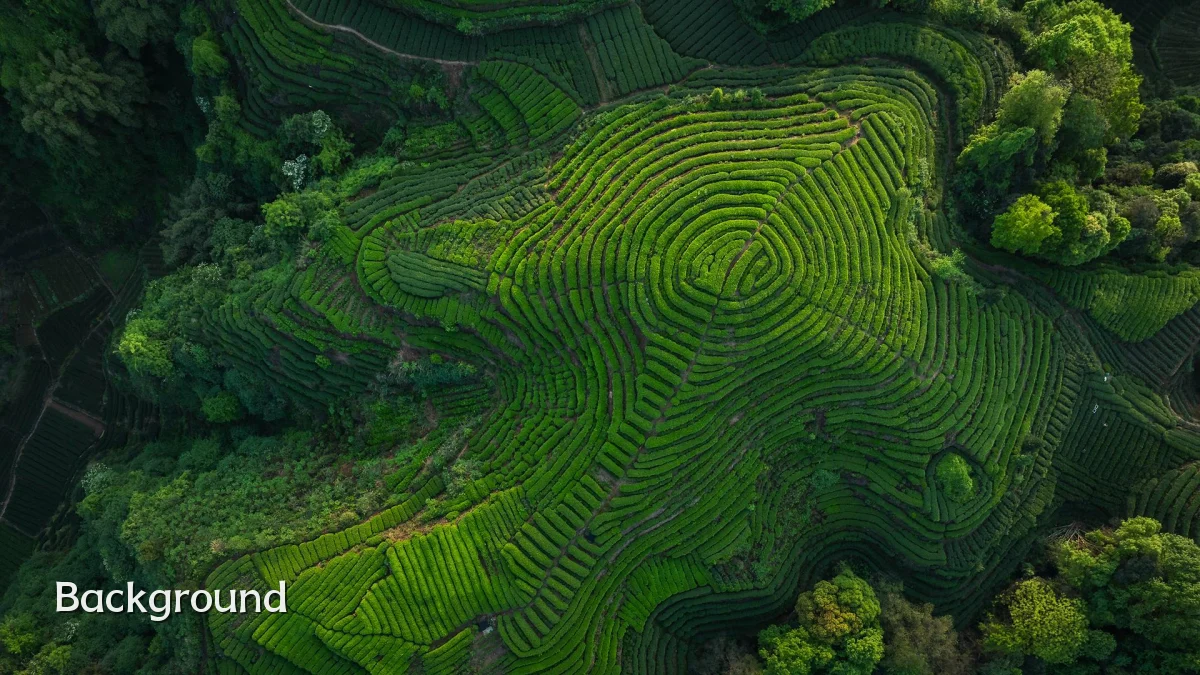
- The North Pennines Area of Outstanding Natural Beauty offers sweeping moorland and lead-mining heritage, with far fewer hikers than the Yorkshire Dales.
- The Dedham Vale on the Suffolk-Essex border provides Constable-esque pastoral scenes, yet sees a fraction of the visitors of the nearby Cotswolds.
- The Herefordshire and Shropshire borders feature rolling hills, black-and-white timbered villages, and a network of quiet footpaths largely bypassed by tour buses.
These areas often lack prominent tourism marketing, which has historically kept them off most itineraries. However, local accommodation providers and small tour operators have begun to highlight them through independent blogs and niche travel guides.
User concerns when seeking secret gems
Travelers wishing to explore hidden countryside face several practical considerations. Based on traveler forums and consultation with regional tourism boards, common concerns include:
- Accessibility: Many remote villages have limited public transport, requiring a car or pre-booked taxi. Train services may run only a few times a day.
- Accommodation availability: Small bed-and-breakfasts and self-catering cottages in these areas often have fewer rooms and may require booking several weeks in advance, especially during peak spring and autumn weekends.
- Information gaps: Official tourist information for less-visited regions can be sparse online, with some walking routes poorly signposted or not shown on standard maps.
- Seasonal limitations: Certain paths may be impassable after heavy rain, and some rural pubs and shops have reduced hours outside summer.
These challenges are manageable with planning, but they underline why “secret” spots have remained less commercialised.
Likely impact on local economies and visitor experiences
If current trends continue, the influx of domestic and international visitors seeking countryside alternatives could bring both benefits and strains. On the positive side:
- Local businesses in hamlets and market towns may see increased revenue, supporting rural jobs and services such as post offices and village shops.
- Less pressure on iconic sites like Stonehenge or the Lake District helps preserve those environments and improves the visitor experience there.
- Dispersal of tourism revenue across a wider geography can reduce overcrowding while still satisfying demand.
However, some communities may face infrastructure limits – narrow lanes, limited parking, and few public toilets – which could lead to friction if numbers grow too quickly. Local councils will need to manage promotion carefully, perhaps by encouraging longer stays rather than day trips, and by investing in sustainable transport links.
What to watch next
Several developments merit attention in the coming seasons. Industry observers note:
- Regional tourism partnerships are increasingly pooling resources to create cross-county itineraries, such as the “Hidden Heartland” trail linking Leicestershire and Northamptonshire. Similar initiatives may emerge for other areas.
- The National Trust and other conservation bodies have begun to spotlight lesser-known properties and landscapes in their social media campaigns, potentially shifting visitor flows.
- Rail discount schemes, such as the English Rural Ranger ticket, could expand to include more branch lines serving remote areas, making car-free exploration easier.
- Climate patterns may affect which seasons are viable for visiting; wetter winters could push interest toward autumn half-term weeks or spring wildflower displays in chalk downlands.
Travelers interested in discovering England’s secret countryside gems should monitor these trends and plan well in advance. For those willing to step off the standard routes, the rewards remain abundant – but the window of relative obscurity is narrowing.