How to Reignite Your Travel Inspiration When You’re Feeling Stuck

The proliferation of travel inspiration blogs has made it easier than ever to discover new destinations—but also easier to feel overwhelmed or uninspired. Many seasoned travelers report a sense of rut, where wanderlust fades under repetitive planning or overexposure to curated content. This analysis examines current trends, underlying causes, traveler concerns, and what the future holds for those seeking a fresh spark.
Recent Trends in Travel Inspiration
Travel content has shifted away from bucket-list checklists toward slower, more intentional formats. Readers increasingly seek ideas that align with personal values rather than broad popularity.
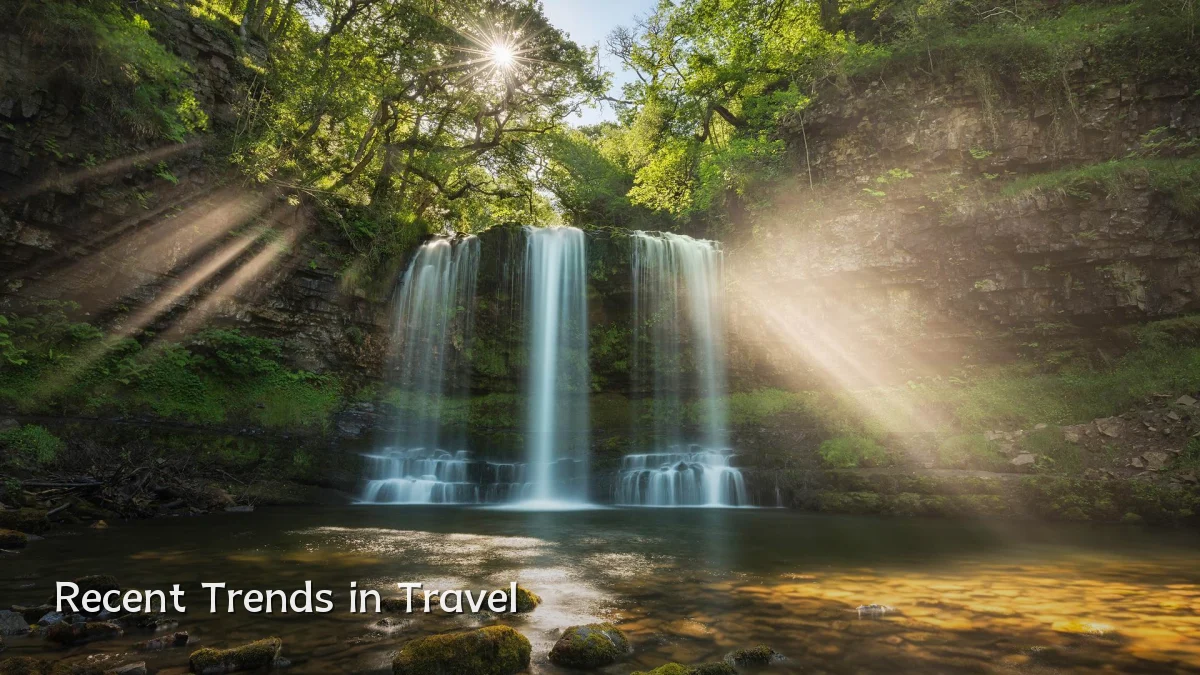
- Slow travel and micro-adventures – Short, local getaways or multi-day slow trips are replacing ambitious cross-continent itineraries.
- Niche storytelling – Blogs focusing on solo travel, accessible travel, or regenerative tourism are gaining traction over generic “top 10” lists.
- Digital detox travel – A growing subset of travelers seeks breaks from constant connectivity, pushing blogs to cover offline experiences.
- AI-assisted discovery – Tools that generate itineraries based on mood or interests are beginning to supplement manual blog browsing.
Background: How Did We Get Here?
The travel inspiration blog space exploded in the 2010s, fueled by social media and influencer culture. Many blogs emphasized aspirational, visually perfect content, often leading to what psychologists call “vacation envy” or decision fatigue. Over time, the sheer volume of options—combined with algorithmic feeds that reward novelty—can leave readers feeling paradoxically stuck, unable to choose or connect with any single place or experience.

Additionally, the post-pandemic recovery created a surge in revenge travel, followed by a normalization period. Many travelers now find themselves caught between wanting to see everything and the financial or logistical realities of doing so.
User Concerns When Feeling Stuck
Common frustrations emerge among readers of travel inspiration blogs, especially those who feel their wanderlust has waned.
- Overexposure to the same destinations – Algorithm-driven content often surfaces the same popular spots, making unique inspiration hard to find.
- Planning paralysis – Too many recommendations lead to endless research loops with no final itinerary.
- Burnout from aspirational content – Constant comparison to “perfect” trips can drain motivation rather than spark it.
- Budget and time constraints – Many blogs present unattainable scenarios, leaving readers with a sense of inability to travel at all.
- Loss of surprise – Over-rehearsed itineraries from blogs remove the serendipity that originally attracted travelers to exploration.
Likely Impact on the Travel Inspiration Blog Landscape
As readers express these concerns, blogs and content creators are adapting. The shift is likely to favor depth over breadth and honesty over idealization.
- Rise of “unpopular opinion” travel writing that covers downsides, disappointments, or overlooked places.
- More activity-based or interest-based blogging (e.g., birdwatching destinations, street food trails, literary pilgrimages) rather than generic city guides.
- Increased emphasis on budget-friendly and realistic trip templates that account for limited time and money.
- Growth of interactive formats such as quizzes or personalized trip-building tools directly on blogs.
- Potential decline of listicle-heavy content in favor of long-form, narrative storytelling that mimics the experience of travel itself.
What to Watch Next
Travelers seeking to reignite their inspiration should monitor several developments in the broader travel media ecosystem.
- AI-personalized travel feeds – Bloggers may integrate AI that filters their archives based on a user’s travel history or mood, reducing information overload.
- Collaborative, community-driven blogs – Platforms where readers contribute local tips or “hidden gems” in real time, moving beyond static content.
- Hybrid offline-online inspiration – Pop-up travel bookstores, physical zines, or real-world meetups hosted by travel bloggers as a counter to screen fatigue.
- Focus on emotional benefits – More content around travel’s mental health aspects (e.g., restarting creativity, building resilience) rather than just logistics.
- Ethical travel frameworks – Blogs that help travelers align their trips with sustainability goals, crowd avoidance, or support for local economies—giving purpose beyond the aesthetic.
For now, the most effective antidote to feeling stuck appears to be a deliberate shift away from passive consumption and toward active, low-pressure discovery—whether through a new format, a closer-to-home adventure, or simply giving yourself permission to not travel at all until the curiosity returns.