Discover Coron: The Ultimate Travel Guide to Palawan's Gem

Recent Trends in Coron Tourism
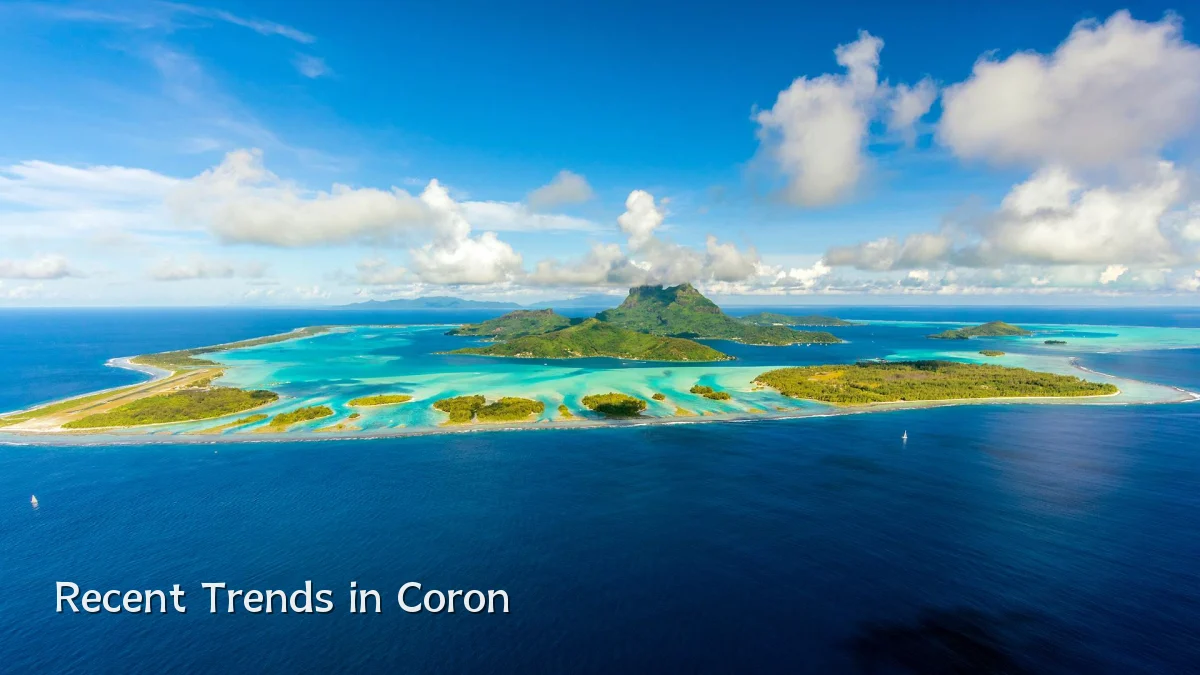
Coron has seen a sustained rise in visitor interest over recent years, driven by social media exposure and a growing appetite for off-the-beaten-path destinations in Southeast Asia. Key trends include:
- A shift toward longer stays as digital nomads and remote workers seek basecamps with reliable connectivity and natural attractions.
- Increased demand for eco-certified tours and accommodations, with operators promoting waste reduction and reef-safe practices.
- Rising popularity of multi-day liveaboard trips that combine wreck diving, lagoon hopping, and inland lake visits.
- Growth in land-based exploration, such as hikes to Mount Tapyas and visits to Maquinit Hot Springs, as travelers look to balance water activities with cultural experiences.
Background: What Draws Travelers to Coron
Coron Island and the surrounding municipality in Palawan are best known for their karst limestone landscapes, crystal-clear lakes, and World War II-era Japanese shipwrecks that form some of Asia’s most accessible dive sites. The area includes the Calamianes Islands, with Coron town serving as the main gateway. Key attractions have long been Kayangan Lake (often cited as one of the cleanest in the Philippines), Barracuda Lake’s thermocline layers, and the underwater wrecks at depths manageable for both novice and experienced divers. The region also benefits from proximity to Busuanga, home to wildlife and lesser-known beaches.

Common Traveler Concerns
While Coron offers exceptional scenery, practical challenges can affect trip quality. Frequent issues reported by visitors include:
- Logistics – Limited direct flights from major hubs; most travelers fly to Busuanga (USU) from Manila or Clark, then take a 30-minute van and boat transfer. During peak season, ferry cancellations due to weather can delay plans.
- Weather windows – The dry season (November to May) provides the best visibility for diving and lake access. The monsoon months (June to October) often bring rough seas and rain, though trade-offs include lower prices and fewer crowds.
- Environmental pressure – High foot traffic at popular sites like Kayangan Lake has prompted local authorities to implement visitor caps and entry fees (typically a modest amount per person). Reports of coral damage continue, though several community-led restoration programs are underway.
- Crowding – During Chinese New Year, Holy Week, and Christmas, both town accommodations and island tours can fill up weeks in advance. Booking ahead is recommended for those visiting during these windows.
- Cost variability – While Coron remains relatively affordable compared to similar destinations like El Nido, prices for private boat charters and dive packages have risen in recent years due to fuel costs and tourism taxes.
Likely Impact of Current Developments
Ongoing initiatives to improve infrastructure—including upgrades to Busuanga Airport’s terminal and better road connectivity—are expected to ease access but may also accelerate development. The local government has proposed stricter zoning to prevent overbuilding along the shoreline. If implemented, such measures could preserve the rustic character that defines Coron. Meanwhile, the growing emphasis on sustainable tourism may lead to more certified operators, but also to higher operating costs that could be passed on to visitors. The balance between accessibility and conservation will likely shape the visitor experience over the next several seasons.
What to Watch Next
For those planning a trip or tracking Coron’s trajectory, several developments merit attention:
- New flight routes – Domestic carriers occasionally add seasonal services from Cebu and other secondary hubs, potentially reducing transit time from the Visayas and Mindanao.
- Proposed eco-tax systems – A per-visitor environmental fee is under discussion, similar to models used in Boracay and El Nido, to fund waste management and reef monitoring.
- Alternative island exploration – Travelers seeking solitude are increasingly booking tours to less-visited spots like Black Island (Malpagalen) and Banana Island, which may ease congestion at classic sites.
- Regulatory changes for wrecks – Marine heritage protection updates could affect dive access to certain wrecks. Divers should monitor notices from the local tourism office before booking wreck-specific trips.
Staying informed via the official Palawan tourism portal and checking recent traveler reports on forums can help visitors adapt plans as conditions evolve.