Best Family-Friendly Beaches and Lagoons in Coron for Kids of All Ages
Recent Trends
In the past few travel seasons, Coron has seen a noticeable increase in family bookings, particularly among parents with children ranging from toddlers to teens. Trip-planning discussions on social travel forums now frequently highlight not just the iconic lagoons but also which ones offer safe wading areas, shaded spots, and minimal boat traffic. Tour operators have begun marketing “family-friendly” packages that skip deeper snorkel sites and instead focus on calm, shallow lagoons and beaches with easy access.

- Multi-generational travel groups (grandparents, parents, kids) are common, driving demand for slow-paced itineraries.
- Parents report seeking beaches with natural shade (e.g., palm groves or cliff overhangs) to avoid prolonged sun exposure for younger children.
- Short-stay family trips (3–4 days) are preferred over longer tours to accommodate children’s attention spans.
Background
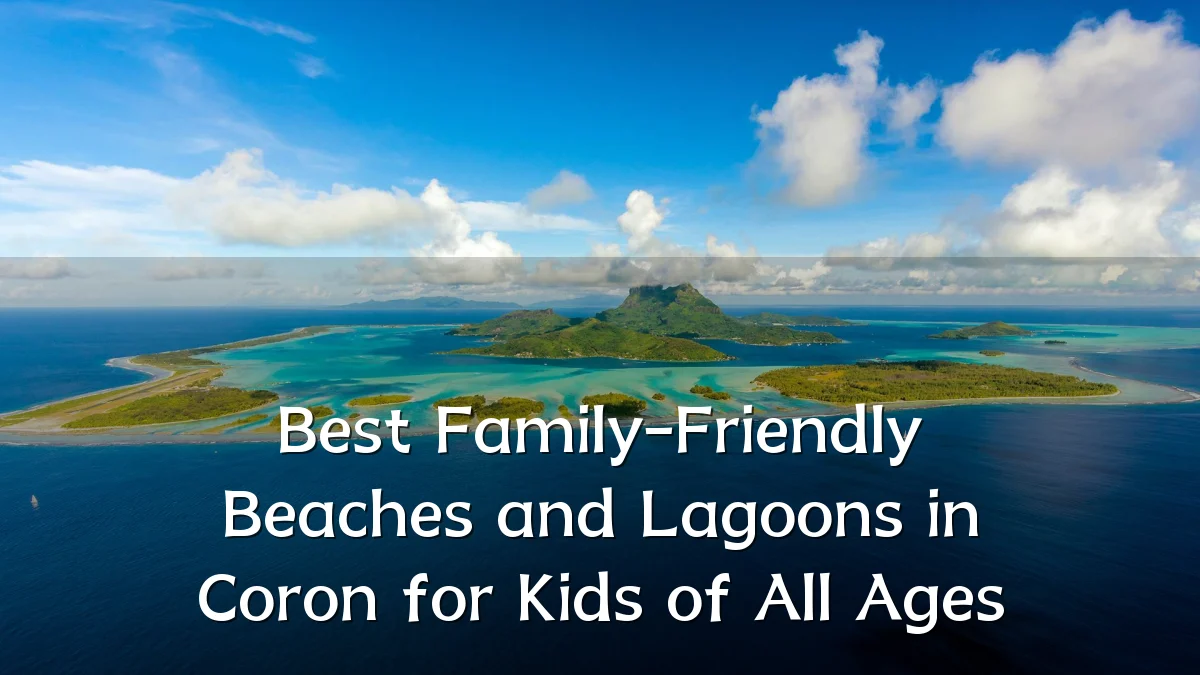
Coron’s landscape is defined by karst limestone formations, hidden lagoons, and turquoise waters. While the area has long attracted adventure-seekers and divers, its shallow lagoons—such as Kayangan Lake, Twin Lagoon, and Barracuda Lake—also hold appeal for families. However, not all lagoons suit young children. Kayangan Lake, for instance, requires a short uphill climb and steep wooden stairs, which can be challenging for toddlers. Twin Lagoon involves swimming through a small gap at certain tide levels. Barracuda Lake has a sharp temperature gradient that may startle inexperienced swimmers. Beaches like Malcapuya Island and Banana Island offer gentler shorelines, with soft sand and clear, shallow water, making them more accessible for kids of varying ages. The trend toward family travel has prompted local tour guides to adjust routes, prioritizing these calmer spots.
User Concerns
Parents researching Coron frequently raise safety and logistical questions. Common recurring concerns include:
- Water safety: Are there lifeguards? Are currents strong? Most lagoons are enclosed or nearly still, but open beaches can have unpredictable surges during monsoon months.
- Accessibility: Many lagoons require stair-climbing, swimming through narrow openings, or wading over slippery rocks. Parents of infants or toddlers often ask whether a carrier or life jacket is sufficient.
- Facilities: Restrooms, changing areas, and food options are limited on remote islands. Family groups must plan for packed lunches and sufficient water.
- Overcrowding: Peak-season crowds (December–May) can make small lagoons feel cramped, raising concerns about children being jostled in the water.
- Age-appropriate activities: Teens may want snorkeling or cliff jumping, while younger children need shallow, calm zones. Finding a lagoon that offers both within a short distance can be tricky.
Likely Impact
As family demand grows, local tourism boards and tour operators are likely to introduce clearer labeling of lagoon difficulty levels. Some operators have already begun adding “kid-friendly” or “toddler-approved” tags on tour itineraries. Over the next year or two, we may see:
- Improved infrastructure at high-traffic family beaches (e.g., shaded rest areas, simple rinse stations, and marked swimming zones).
- More dedicated family tour schedules that avoid peak crowd times (early morning departures to reach lagoons before busier hours).
- Increased availability of life jackets and flotation devices for rent or loan at entry points.
- A shift in tour pricing: short, half-day family tours may become more common than full-day trips covering multiple lagoons.
These changes could reduce safety risks and improve overall satisfaction for families, but they also risk raising costs if operators charge premium rates for smaller, slower-paced groups.
What to Watch Next
Several developments will shape the family experience in Coron over the next 12–18 months:
- Regulatory updates: The local government may cap the number of daily visitors to the most fragile lagoons (e.g., Kayangan Lake) during peak season, which could affect family tour timings.
- New service offerings: Watch for hotel-based day trips that include a private boat and guide, giving families more control over pace and stops.
- Weather patterns: The southwest monsoon (June–October) brings rougher seas and rain; families should monitor forecasts for safe beach days.
- Lodging trends: Resorts with kid zones, shallow pools, and direct beach access are likely to become preferred bases, influencing which lagoons families visit (or skip).
- User reviews: Online travel communities are increasingly sharing detailed lagoon suitability reports—tracking these can help families choose the best spots for their children’s ages and swimming abilities.
In summary, Coron’s family-friendly reputation is still being built. The number of suitable beaches and lagoons is limited, but with careful planning and attention to local conditions, families can find memorable experiences without compromising safety or comfort.