Beyond the Shipwrecks: Coron's Best Shore Dives for Underwater Enthusiasts

Recent Trends in Coron’s Dive Scene
Coron in Palawan has long drawn wreck divers to its WWII Japanese fleet resting in shallow waters. Over the past few seasons, however, a growing number of underwater enthusiasts have pivoted toward shore-accessible sites. Local operators report that requests for guided shore dives now account for a noticeable share of bookings, driven by divers seeking quieter alternatives to crowded wreck sites and by those wanting to extend bottom time without boat schedules.
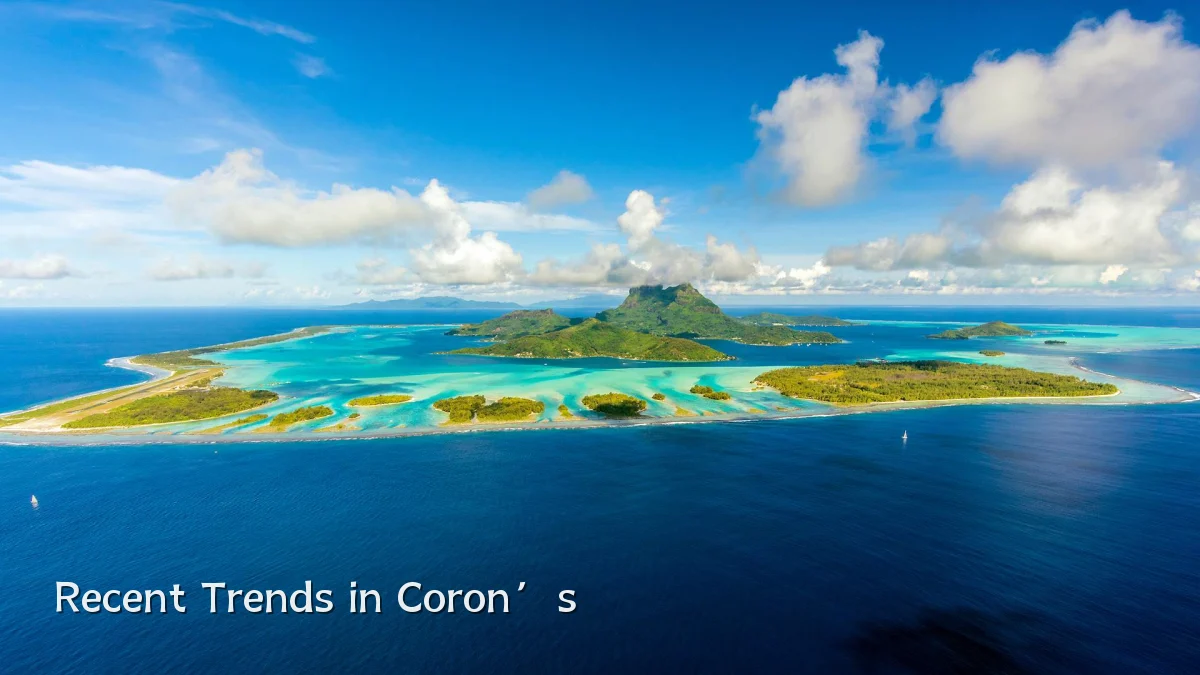
Key factors behind this shift:
- Increasing interest in macro photography and critter hunting around coral bommies and seagrass beds.
- Desire for flexible, self-guided or small-group shore entries that avoid peak-hour boat congestion.
- Rising awareness of Coron’s fringing reefs and steep drop-offs that rival more famous wreck vistas.
Background: Why Shore Dives Deserve Attention
Coron’s geography—a protected bay ringed by karst limestone islands—creates diverse shore entry points. Unlike the shipwrecks, which sit in silty basins often requiring advanced buoyancy skills, shore dives here range from gentle sandy slopes to dramatic walls. Many sites lie within a short tricycle ride from the town proper, reducing logistical costs and making them accessible to a wider skill range.

Noteworthy shore locations (non-exhaustive) include the House Reef in front of several resorts, the coral gardens near Concepcion, and the drop-offs along the eastern side of Busuanga Island. These spots commonly feature hard and soft corals, schools of fusiliers, occasional turtles, and juvenile reef fish—offering a macro-to-near-reef experience distinct from the historic wreck interiors.
User Concerns and Practical Considerations
Enthusiasts weighing shore dives over wrecks typically raise the following points:
- Current and visibility: Tidal flows in Coron Bay can vary. Morning slack tides often yield 10–20 metres of visibility, while afternoon ebb may reduce it. Checking local tide charts is advised.
- Entry conditions: Some sites have rocky or coral-strewn entries; booties and fins with good tread are recommended. A few offer sandy or stepped entries.
- Marine protected area rules: Several shore sites lie within regulated zones. No-take policies and buoy moorings are common; divers should confirm permits or fees with a local operator or the tourism office.
- Equipment needs: Many shore dives are shallow (5–18 metres), ideal for divers using nitrox or simply air. A surface marker buoy (SMB) is useful for boat traffic awareness.
Likely Impact on Local Diving and Tourism
The growing focus on shore dives could reshape the local dive industry in several ways:
| Aspect | Potential Change |
|---|---|
| Operator offerings | More package deals combining wreck and shore dives; possible new guide specializations in reef ecology. |
| Environmental pressure | Spread of diver traffic away from wrecks may reduce siltation and congestion at those sites, but increase foot traffic on fragile reef flats. Management—such as entry points with defined paths—will become more important. |
| Diver profiles | Increased appeal for beginner or refresher divers who find shore entries less intimidating, potentially widening Coron’s market beyond advanced wreck enthusiasts. |
| Infrastructure | Resorts near prime shore-access points may invest in ladders, floating docks, or shaded rinse stations to cater to this demand. |
What to Watch Next
Several developments are worth monitoring for those planning a trip or following the region’s dive scene:
- Site mapping and conservation initiatives: Local groups have begun documenting shore dive profiles and coral health. Look for updated maps or user-generated guides (e.g., on popular dive databases) that provide depth contours and entry coordinates.
- Regulatory shifts: The municipality may introduce standardised fees or site quotas to balance use. Any changes would affect how enthusiasts self-organise shore dives versus using operators.
- Seasonal variability: Monsoon patterns (June–November) can bring rains that reduce visibility near shore, while the dry season (December–May) typically offers calmer seas. Enthusiasts should align shore dive plans with forecast windows.
- Emerging “hidden” sites: Word-of-mouth among returning divers suggests a few unnamed coves on the western side of the bay may soon gain popularity—yet no official names or consistent access paths have been established.
As Coron’s underwater identity expands beyond its shipwreck legacy, the shore dives provide a complementary, accessible layer for enthusiasts seeking variety, solitude, or a different kind of marine encounter. Observing how the local community, operators, and regulators respond will define whether these sites remain a niche alternative or become a mainstream draw in their own right.