The Ultimate Guide to Coron’s Natural Resources: Lagoons, Reefs, and Limestone
Recent Trends
Coron’s natural resources—its lagoons, coral reefs, and limestone karsts—have seen a surge in attention as travelers increasingly seek remote, ecologically rich destinations. Social media imagery of turquoise waters and dramatic rock formations has driven a noticeable uptick in visitor inquiries. At the same time, local authorities and tour operators report growing pressure to balance access with preservation. Recent discussions in regional tourism boards center on capacity limits for popular lagoon tours and stricter mooring rules to protect reef health.

Background
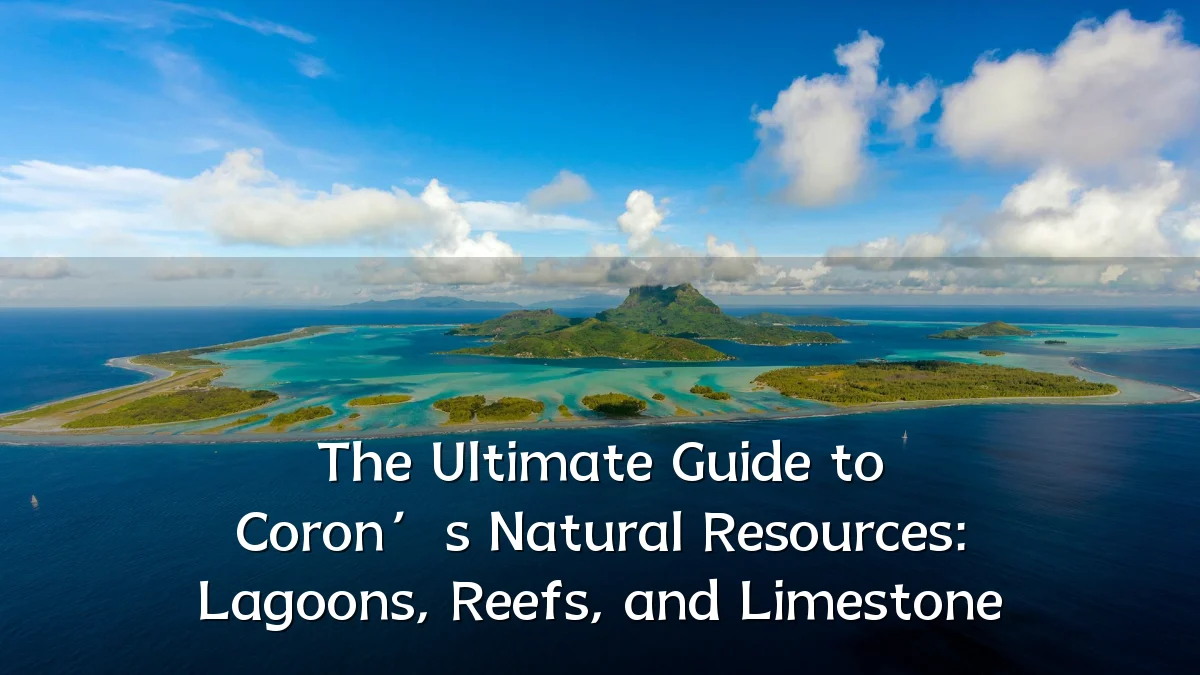
Coron, located in Palawan, Philippines, sits within the Calamian Islands. Its landscape is shaped by ancient limestone formations that rise vertically from the sea, forming dozens of enclosed lagoons. These geological features are linked to a karst system that filters groundwater and sustains unique marine life. The reefs surrounding Coron are part of the Coral Triangle, a global center of marine biodiversity. For decades, local communities have relied on fishing and small-scale tourism. The area gained wider recognition after being designated a protected seascape, with regulations gradually expanding to cover the most visited sites.

- Karst lagoons: Formed by collapsed limestone cavities, often connected to the sea through narrow channels. Examples include Kayangan Lake and Barracuda Lake.
- Coral reefs: Fringing and patch reefs around many islands, supporting species such as giant clams, sea turtles, and reef fish.
- Limestone cliffs: Provide nesting sites for birds and contribute to the dramatic shoreline that draws photographers and climbers.
User Concerns
Visitors and environmental groups share overlapping worries about the long-term viability of Coron’s natural assets. Overcrowding during peak seasons has led to reports of reef damage from anchors, snorkeler contact, and sunscreen runoff. Some lagoon waters show increased turbidity, likely linked to sediment disturbance from boat traffic. Tourists also express uncertainty about which operators follow sustainable practices, as online reviews mix praise for natural beauty with criticism of crowded sites and inconsistent waste management.
- Environmental stress: Elevated boat numbers and uncontrolled anchoring can break coral branches and stir bottom sediment.
- Waste management: Trash from vessels and nearby communities sometimes accumulates in coves, especially after heavy rain.
- Regulation gaps: Not all tour boats carry washroom facilities, raising hygiene concerns in isolated lagoons.
Likely Impact
If current visitation patterns continue without strengthened oversight, the most accessible lagoons and reefs may show measurable degradation within a few years. Conversely, well-implemented limits on visitor numbers and enforced no-anchoring zones could stabilize conditions and even allow slow recovery of sensitive corals. Local economies that diversify into low-impact activities—such as guided kayaking, photography tours, and marine education—stand to gain longer-term revenue while reducing physical pressure on the environment. The outcome will likely hinge on coordination between municipal governments, the protected area management board, and community-based tour groups.
- Positive scenario: Improved monitoring, mandatory eco-briefings, and fees that directly fund reef restoration.
- Negative scenario: Unchecked growth leads to algal blooms, reduced fish abundance, and loss of scenic clarity in lagoons.
- Economic ripple: Degraded resources would diminish the destination’s appeal, hurting local livelihoods that depend on repeat visits.
What to Watch Next
Travelers planning a visit should keep an eye on official announcements from the Coron Sustainable Tourism Office regarding seasonal closures or daily caps at key sites. The roll-out of a Digital Visitor Management System—intended to pre-book slots for lagoons and snorkeling spots—may reduce crowding if enforced. Also watch for pilot projects using biodegradable mooring buoys and waste-collection points at anchorages. Conservation NGOs are expected to release updated water-quality data from routine sampling, which will offer a clearer picture of trends. Finally, the progression of a proposed marine protected area expansion around several outlying reefs could set a precedent for how similar destinations manage resource limits.