Exploring Halong Bay's Hidden Gems: Beyond the Tourist Trail
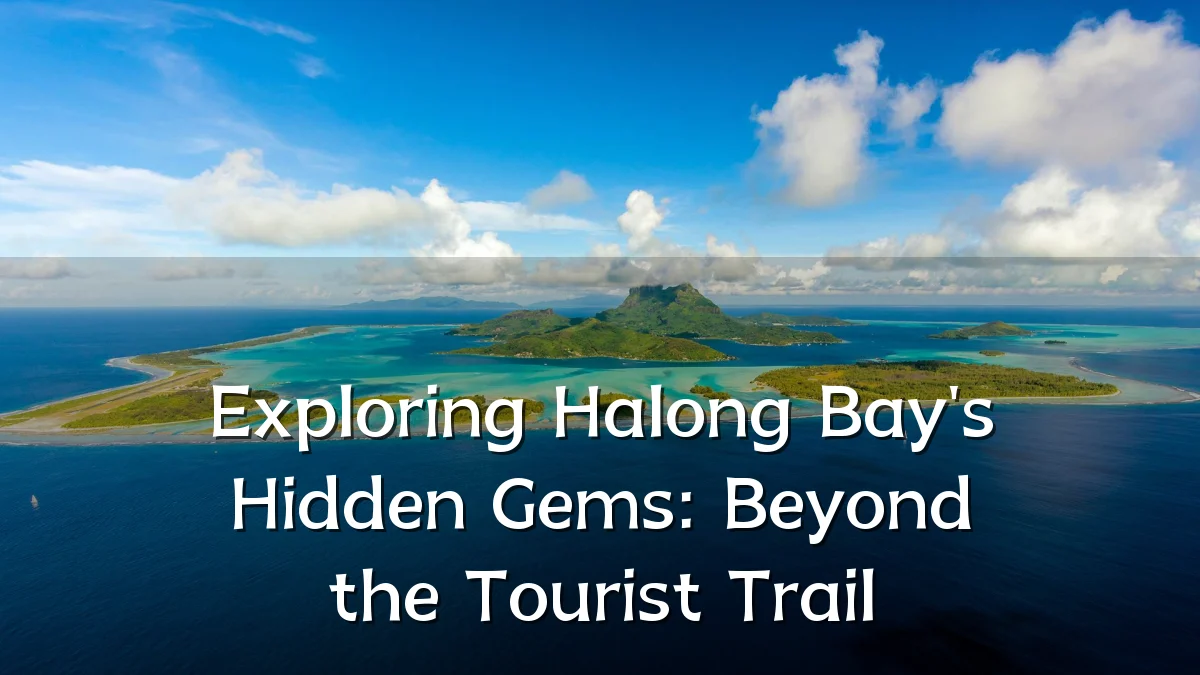
Halong Bay in northeastern Vietnam has long drawn visitors with its limestone karsts and emerald waters. Yet growing numbers of travelers are now seeking quieter, less-commercialized corners beyond the classic cruise route. This analysis examines the emerging shift toward off‑the‑beaten‑path experiences, the factors driving that change, and what it may mean for the region’s tourism landscape.
Recent Trends
In the past few years, a noticeable segment of visitors has begun favoring alternative itineraries that avoid the main bay’s dense boat traffic. Key developments include:

- Rise of multi‑day kayak and homestay trips in adjacent areas such as Lan Ha Bay and Bai Tu Long Bay, where junks and group tours are far less common.
- Increased online search and social‑media buzz around terms like “Halong Bay hidden caves,” “floating village alternatives,” and “quiet Halong.”
- Growing interest in community‑based tourism among independent travelers who want to interact with local fishing families, try traditional rowing boats, or sleep on quiet houseboat stays.
- Tour operators actively marketing “remote” routes that skirt the most‑visited islets and instead visit lesser‑known lagoons and secluded beaches.
These trends reflect a broader global movement away from iconic but congested attractions and toward more intimate, authentic travel experiences.
Background
Halong Bay has been a UNESCO World Heritage site since 1994, valued for its outstanding scenic beauty and geological significance. Over decades, tourism boomed, leading to:

- Heavy congestion in the core area, especially around popular spots such as Sung Sot Cave and Titop Island.
- Environmental pressures from waste, fuel spills, and noise that affect both the ecosystem and the visitor experience.
- Regulatory efforts by local authorities to limit vessel numbers, enforce cleaner fuel standards, and designate quieter zones, though enforcement has been uneven.
- A gradual expansion of tourism infrastructure into previously remote areas — a double‑edged move that risks spreading overtourism if not managed carefully.
Within this context, the push toward “hidden gems” is partly a reaction to stress in the main bay and partly a product of improved access to surrounding waterways.
User Concerns
Travelers considering off‑the‑trail Halong Bay excursions commonly raise several practical worries:
- Safety and reliability – Smaller boats and improvised homestays may not meet the same safety standards as established cruise operators. Visitors should check for basic life jackets, communication equipment, and clear emergency plans.
- Accessibility and cost – Remote areas often require longer transfers from Hanoi or Haiphong, and private trips can cost a moderate to significant premium compared to standard group tours. Price ranges can vary widely by season and group size.
- Environmental impact of “hidden” tourism – Visiting less‑frequented spots may introduce pressure to fragile ecosystems or local resources. Many travelers want assurance that their stay supports conservation rather than harming it.
- Authenticity vs. commodification – As more guides pitch “off‑the‑beaten‑path” experiences, there is concern that genuine local culture may become staged or that small villages become tourist‑focused rather than functional communities.
Likely Impact
The gradual dispersal of visitors away from Halong Bay’s core could produce several medium‑term effects:
- Reduced crowding in central areas if a meaningful share of tourists opts for alternative bays, easing pressure on iconic sites and improving the experience for those who do visit them.
- Economic benefits for smaller coastal communities in Quang Ninh and Hai Phong provinces, especially if local families gain stable income from guiding, cooking, or hosting.
- Stronger regulatory frameworks likely as provincial governments see the need to manage dispersed tourism: permit systems for home‑stay operators, waste‑collection requirements, and designated “quiet” zones may become more common.
- Risk of widening infrastructure gaps – early‑explored “hidden” spots may lack waste management or emergency services, potentially creating environmental problems that lag behind visitor numbers.
What to Watch Next
Several factors will shape whether the “beyond the tourist trail” trend remains a niche or becomes the new normal:
- Official policy updates from Quang Ninh and Hai Phong departments of tourism, including any limits on daily boat permits in secondary bays or incentives for eco‑certified operators.
- Development of new mooring sites and landing points – if authorities invest in low‑impact infrastructure, it could signal a long‑term strategy to redirect tourism flow.
- Market responses from major cruise lines – whether they begin including Lan Ha or Bai Tu Long as standard components of itineraries, or instead double down on the main bay’s “greatest hits.”
- Community feedback and online reviews from travelers who try these alternative experiences; their word‑of‑mouth will heavily influence peer demand.
For now, Halong Bay’s hidden gems remain largely accessible only to those with flexibility and a willingness to plan independently. How the region balances visitor curiosity with conservation will determine whether these quieter waters stay pristine — or become future hotspots.