The Ultimate Practical Guide to Halong Bay: Tips for First-Time Visitors
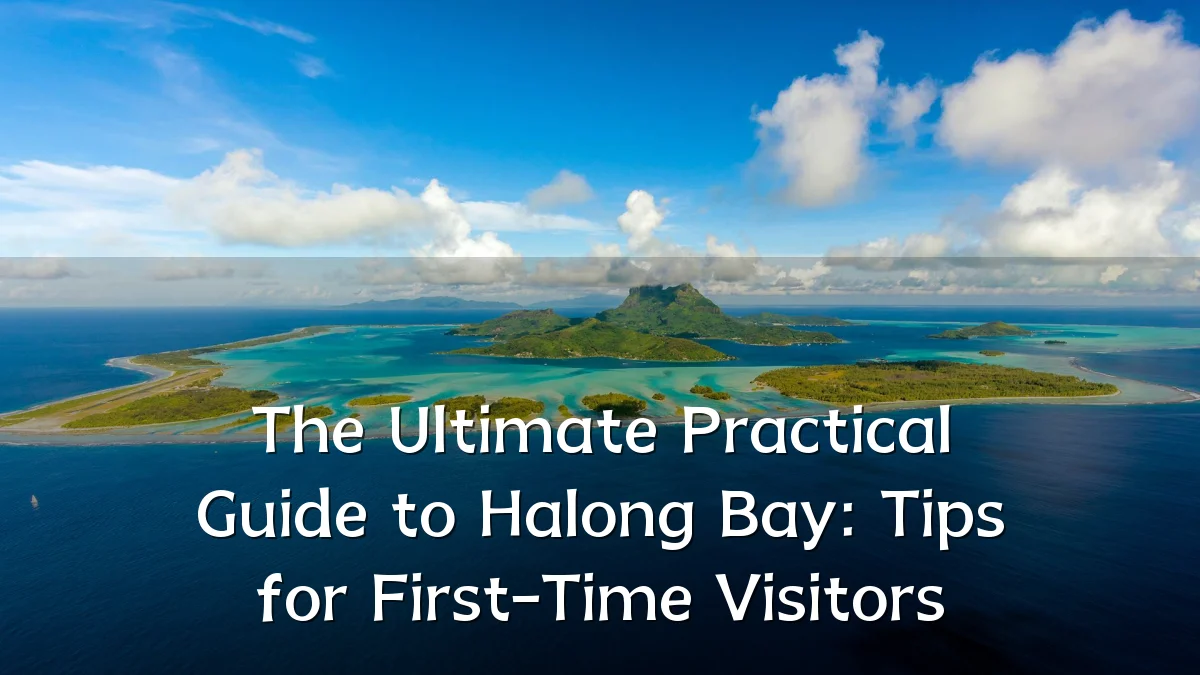
Halong Bay remains one of Vietnam’s most visited natural wonders, yet first-time visitors often face a maze of choices regarding cruises, timing, and logistics. Recent shifts in travel patterns and local regulations have reshaped what a practical trip looks like. This analysis breaks down the latest trends, core background, common concerns, likely impacts on experiences, and what to watch for in the near future.
Recent Trends
Travel behavior in Halong Bay has moved toward shorter, more flexible itineraries. Overnight cruises used to dominate, but day trips from Hanoi now account for a significant share of bookings. Environmental awareness has also grown: many operators now limit single-use plastics and enforce stricter waste disposal rules. Meanwhile, the rise of social media has increased pressure on specific photo spots, leading to queuing at iconic viewpoints like Ti Top Island. Booking windows have shortened – many visitors reserve cruises only a week or two ahead, especially during shoulder seasons.

Background
Halong Bay, a UNESCO World Heritage site, spans roughly 1,500 square kilometres with over 1,600 limestone islands and islets. The core area for tourism is around the bay’s southern reaches, including Sung Sot Cave and floating fishing villages. Most first-time visitors arrive via Hanoi (about 170 km away) by bus or private car, then board a cruise from Tuan Chau or Bai Chay harbours. Seasons are defined by the monsoon: dry and sunny from October to April (peak tourist period), and hot, humid, with occasional typhoons from May to September. Accessibility has improved with a new expressway cutting Hanoi–Halong travel time to under 2.5 hours.

User Concerns
First-time visitors consistently report several practical challenges:
- Overcrowding: Peak months (especially November–February) see heavy traffic on the bay, with dozens of boats clustered at popular caves and islands. Quiet moments are rare without choosing a less-trodden route.
- Weather unpredictability: Fog and drizzle can obscure views even during the dry season; cruises may cancel due to sudden storms in summer. Checking a 7-day forecast is advisable but not foolproof.
- Scams and pricing opacity: Unclear inclusions (meals, tips, kayak fees) are common on budget tours. Some harbour-side touts offer “deluxe” trips that are actually standard. Booking through a reputable operator with transparent policies reduces risk.
- Motion sickness: Junk boats can rock significantly in choppy water, particularly in the afternoon. Visitors prone to seasickness should bring medication and choose larger vessels with stabilisers.
- Environmental impact concerns: Pollution from boats and litter is visible in some coves. Many travellers now prioritise eco-certified cruises that follow sustainable practices.
Likely Impact
These trends and concerns are shaping the visitor experience in several ways:
- Smaller group sizes and private charters are gaining popularity, though at a higher cost. This helps alleviate overcrowding but may price out budget travellers.
- Day trips, while cheaper and quicker, often miss the sunset and early-morning calm. They also concentrate crowds in a shorter window, making popular sites feel more congested.
- Demand for “off-peak” travel is rising – late September, early October, and April are becoming alternatives to the winter crush, offering decent weather with fewer boats.
- Operators are investing in better communication: detailed pre-trip emails outlining what is included, what to bring, and cancellation policies are now standard for mid-range and luxury cruises.
- Local authorities have capped the number of overnight vessels allowed in the bay (around 200–250 licences) and introduced stricter inspection regimes, which should gradually improve safety and service quality.
What to Watch Next
Several developments could further change how first-time visitors approach Halong Bay:
- New routes and alternative bays: Bai Tu Long Bay and Lan Ha Bay, adjacent to Halong, are increasingly marketed as less crowded alternatives. If visitor caps in the core zone tighten, these areas may become primary options.
- Digital booking transparency: Online platforms are pushing for standardised inclusions and verified reviews. Look for clearer rating systems for cruise categories (e.g., “standard,” “comfort,” “luxury”) that align with actual amenities.
- Sustainability labelling: Eco-certifications (like Green Lotus or Travelife) are expected to become more common and more clearly displayed. Travellers may soon be able to filter cruises by environmental criteria easily.
- Weather-adaptive itineraries: Some operators now offer flexible departure dates or refunds if visibility is below a threshold. This could become a selling point for risk-averse first-timers.
- Land-based alternatives: The Hai Phong – Halong expressway extension and development of new lodging on Cat Ba Island might shift the centre of gravity away from the traditional junk-boat experience.
For now, the most practical advice for a first-time visitor remains research over impulse: check recent reviews, confirm inclusions in writing, and prepare for variable conditions. The bay’s beauty is undeniable, but a smooth experience depends on knowing what to expect before boarding.