A Complete Guide to Visiting Halong Bay: Everything You Need to Know

Recent Trends
Halong Bay has seen a steady shift toward larger cruise vessels and overnight junk boats, with operators increasingly offering multi-day itineraries to reduce crowding during peak hours. The bay remains a top-tier destination for both domestic and international tourists, though recent data indicates a growing preference for less-visited sections such as Bai Tu Long Bay and Lan Ha Bay. Environmental awareness campaigns have led to a modest uptick in requests for eco-friendly tours, though budget options still dominate the market.
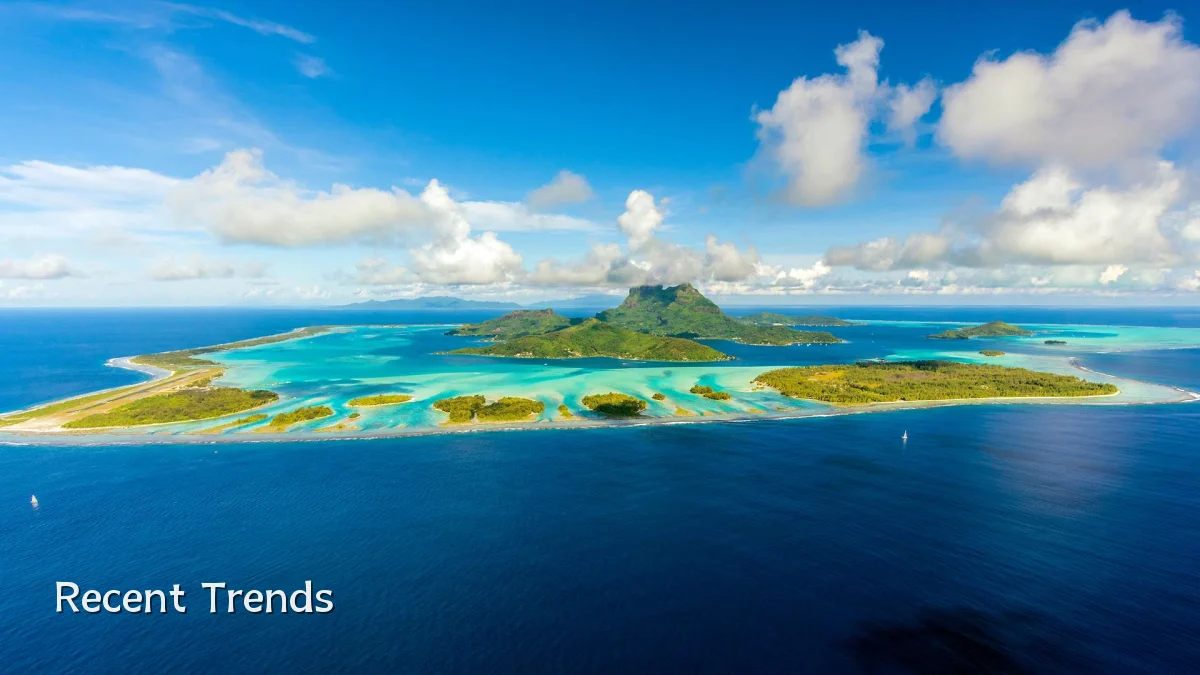
- Rise of all-inclusive day cruises vs. independent kayaking and homestay packages
- Growing use of online booking platforms with transparent pricing (typical ranges: $50–$200 per person for day trips, $200–$800 for overnight luxury)
- Increased visibility of “no-waste” and “zero-plastic” tour labels, though actual enforcement varies
Background
Declared a UNESCO World Heritage Site in 1994 (and later extended in 2000), Halong Bay comprises roughly 1,600 limestone islands and islets spread across 1,500 square kilometers in Quang Ninh Province. Its distinctive karst formations have drawn visitors for decades, but rapid tourism growth since the 2010s has raised concerns about water quality, waste management, and pressure on local fishing communities. The bay is accessible mainly from Ha Long City on the mainland and Tuan Chau Island, with most cruises departing between 8:00 AM and 10:00 AM.
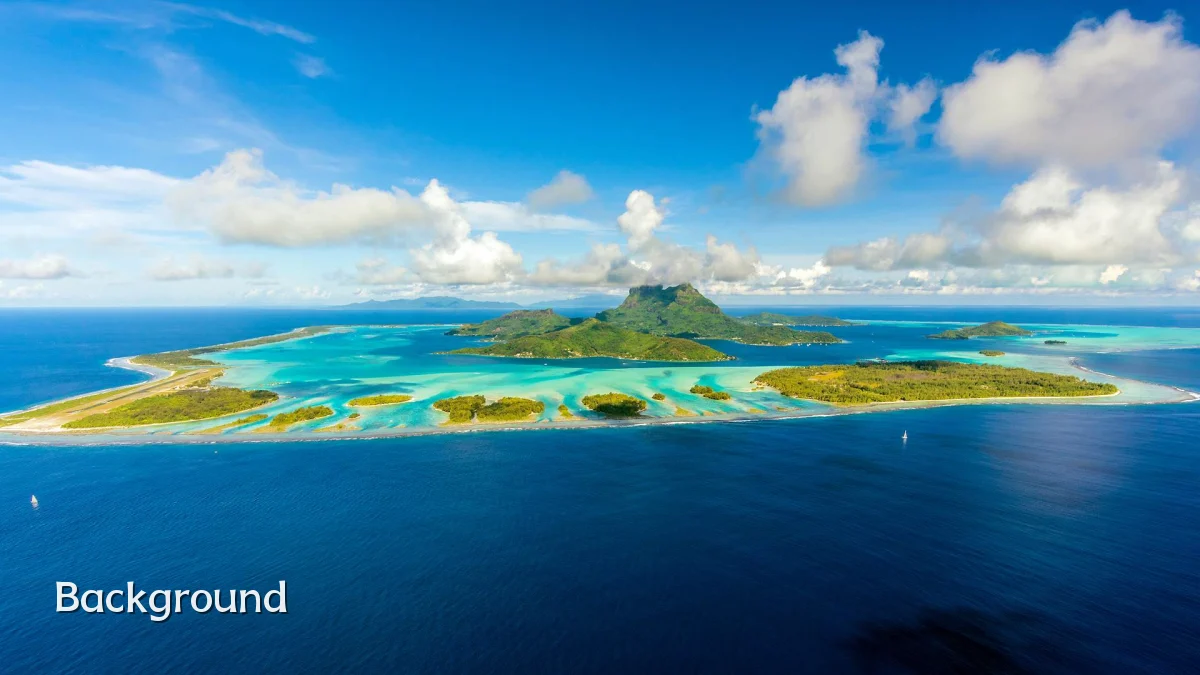
“The core zone of the heritage area is strictly regulated for vessel traffic, but enforcement depends on weather, season, and operator compliance.” — Common observation in travel advisories
User Concerns
Visitors frequently report overcrowding at popular spots such as Sung Sot Cave, Titop Island, and the floating villages. Other recurring themes include:
- Crowd density: Peak months (April–October, especially during Vietnamese holidays) can result in lines of 30+ minutes for cave entry and limited solitude on decks
- Environmental impact: Visible litter in some coves and diesel fumes from older vessels remain common criticisms
- Price transparency: Hidden fees for surcharges (e.g., kayaking, cooking class, tip expectations) sometimes surprise first-time visitors
- Weather dependency: Fog, drizzle, and occasional typhoon cancellations from June to August reduce visibility and may lead to shortened itineraries
Likely Impact
Local authorities have introduced zoning limits on the number of overnight permits per sector, aiming to cap daily boat entries at roughly 500–600 vessels during high season. If fully enforced, this could reduce queuing times and improve water quality, but it may also increase per-person prices as operators scale down capacity. Cruise lines with newer hybrid or electric tenders are becoming more visible, though they represent less than 10% of the current fleet. The ongoing development of Ha Long City’s coastal promenade and expanded international flights to Cat Bi (Hai Phong) and Van Don airports is expected to redistribute visitor pressure away from the central heritage zone.
| Factor | Short-term effect (1–2 years) | Medium-term effect (3–5 years) |
|---|---|---|
| Permit caps | Moderate price increase, possible improvement in experience | Shift toward smaller, higher-quality tours |
| Airport expansion | More direct arrivals from East Asia | Increased total visitor numbers unless offset by permit limits |
| Environmental campaigns | Limited voluntary compliance | Gradual adoption of waste-reduction protocols among top operators |
What to Watch Next
Industry observers and travel planners are monitoring three developments closely:
- Seasonal closure experiments: Authorities in neighboring Lan Ha Bay have tested partial seasonal closures for coral regeneration; if successful, similar measures may extend into Halong Bay’s less-trafficked sectors.
- Digital monitoring systems: A centralized vessel-tracking database is being piloted to enforce no-go zones and reduce illegal overnight anchoring.
- Alternative itineraries: “Sunset-only” permits and early-morning kayak slots are being evaluated as ways to spread visitor flow without raising overall caps.
Travellers considering a trip are advised to compare multiple operators, confirm cancellation policies for bad weather, and be prepared for variable conditions that are part of the bay’s natural charm—but also its logistical reality.