Why Koh Phayam Is Thailand’s Best-Kept Secret for Independent Travelers
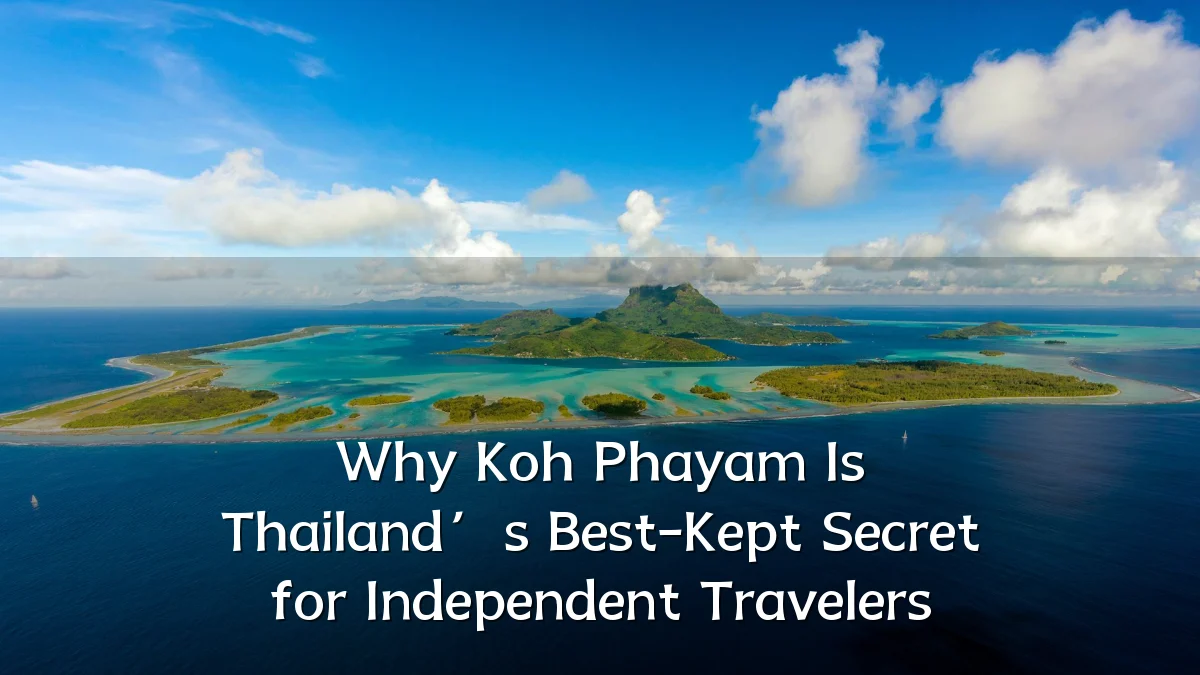
Perched in the Andaman Sea off Thailand’s Ranong coast, Koh Phayam has long been a footnote in guidebooks—a small, car‑free island where bamboo bungalows outnumber concrete hotels. While neighbours like Koh Phangan and Koh Tao draw crowds for full‑moon parties and dive schools, Phayam has quietly sustained a different rhythm: one favoured by independent travelers seeking solitude, nature, and a genuine sense of escape.
Recent Trends in Independent Travel
The post‑pandemic travel landscape has seen a steady shift toward slower, less commercialised destinations. Independent travelers—solo backpackers, digital nomads with flexible schedules, and couples wanting privacy—increasingly avoid places where package tours dominate. Koh Phayam has benefitted from this trend, with anecdotal reports of a modest but steady rise in visitor numbers over the past two to three high seasons. Yet it remains off most package itineraries, accessible only by a 30‑ to 45‑minute speedboat or a longer ferry from Ranong. No pier can handle large tour buses, and the island has no bank or 7‑Eleven. For the independent traveler, that is precisely the point.

Background: What Sets Koh Phayam Apart
Koh Phayam covers roughly 35 square kilometres, with a single unpaved road linking its western beaches—Ao Yai (Long Beach) and Ao Khao Khwai (Buffalo Bay)—to the small fishing village on the east coast. The island’s main characteristics include:
- No motorised vehicles – Most transport is by foot, bicycle, or motorbike rented from locally owned shops. There are no taxis.
- Low‑impact accommodation – Lodging ranges from basic bamboo bungalows with solar‑powered fans to mid‑range wooden cottages. No large resort chains are present.
- Community‑based tourism ethos – Many restaurants and bungalow operations are run by local families. Seafood comes from small fishing boats, and supplies are brought in weekly.
- Natural focus – The island is a nesting site for sea turtles (seasonal), and the surrounding waters are part of the Laem Son Marine National Park. Jungle trails connect beaches, and the southern tip offers quiet mangrove kayaking.
This simplicity appeals directly to travelers who prioritise environment and authenticity over convenience.
User Concerns and Practical Considerations
Independent travelers planning a trip to Koh Phayam should weigh a few common constraints. The island’s isolation means less infrastructure, which some may find challenging. Typical concerns include:
- Connectivity – Mobile reception is patchy outside the main beach areas. Many bungalows offer Wi‑Fi, but speeds can be slow during peak hours.
- Power reliability – Electricity is available 24 hours on most of the island, but some remote bungalows still rely on generators that run only during evening hours. Solar backup is growing but inconsistent.
- Food variety – Dining options are mostly Thai‑style seafood and simple Western dishes. Fine dining or vegan‑specialist menus are scarce.
- Seasonal weather – The monsoon runs from May to October, with many bungalows closed or operating at reduced capacity. The best travel window is November to April.
- Medical access – There is a small clinic on the island, but serious emergencies require a boat transfer to Ranong’s hospital. Travel insurance is strongly advised.
“Koh Phayam isn’t for everyone,” one frequent traveler noted in an online forum. “But if you’re okay without a cocktail menu and a swimming pool, it feels like Thailand twenty years ago.”
Likely Impact on Local Tourism and Community
The gradual increase in independent travelers brings both opportunity and risk for Koh Phayam’s small population. Positive effects include stable income for local bungalow owners and fishing families who have diversified into tourism. Some community groups have started beach clean‑ups and turtle conservation programs, funded by voluntary guest contributions.
On the other hand, pressure on land use is rising. A handful of new mid‑range bungalow clusters have been built in recent years, and there are occasional reports of unauthorised construction near the shoreline. Without formal zoning or a comprehensive environmental management plan, the island’s character could shift. Observers note that what happened to Koh Lipe—a rapid expansion from beach camp to resort hotspot—looms as a cautionary tale. For now, Phayam’s lack of a pier for large ferries and the absence of an airport act as natural brakes on mass development.
What to Watch Next
Several developments will shape whether Koh Phayam remains a quiet haven or begins to attract larger crowds. Key items to monitor include:
- Transport infrastructure – Ranong’s airport currently receives only domestic flights from Bangkok. If routes expand or charter flights appear, arrival numbers could surge.
- Local governance – The island falls under the Tambon administrative body of the mainland. Any new building regulations or environmental impact assessments would signal a shift in management approach.
- Visitor caps and fees – Thailand’s growing interest in sustainable tourism (e.g., entry fees for national parks) may eventually include Koh Phayam, especially if turtle nesting grounds become threatened.
- Digital nomad trends – Improved connectivity might attract longer‑staying remote workers. This could increase off‑season business but also raise demand for housing and co‑working spaces.
- Word‑of‑mouth spread – Social media influencers and travel bloggers have recently featured Koh Phayam’s sunsets and beachside hammocks. A viral post could quickly change demand.
Independent travelers who value solitude would do well to visit sooner rather than later—but always with a mindset of minimising their footprint. For now, Koh Phayam remains one of the few Thai islands where the answer to “What’s there to do?” is still: “Not much—and that’s the point.”