Koh Phayam: A Guide to Thailand’s Most Laid-Back Island Escape
Recent Trends
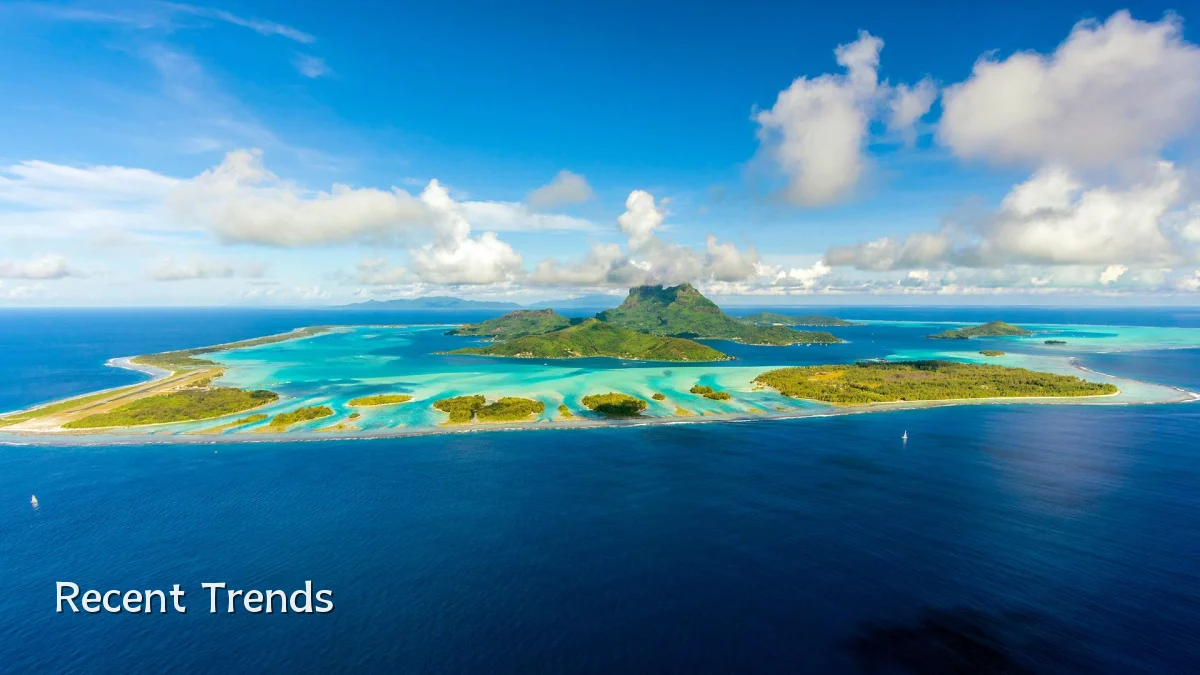
Travel blogs and social media channels have increasingly highlighted Koh Phayam as a alternative to busier destinations such as Koh Samui or Phi Phi. Post-pandemic, the island has seen a steady rise in independent travelers seeking uncrowded beaches, basic bungalows, and a slower pace. Accommodation options have expanded modestly, but the island maintains a strict no-chain-hotel policy. Recent blog posts commonly emphasize the absence of large resorts, nightclubs, and ATMs as a deliberate feature rather than a shortcoming.
- Rise in solo female and remote-worker visitors during low season (May–October).
- Increased interest in Koh Phayam’s mangroves and firefly kayaking tours.
- Growing use of local Facebook groups for real-time ferry schedules and weather updates.
Background
Koh Phayam is a small island in Ranong province, off Thailand’s Andaman coast. Unlike many gulf islands, it was never developed for mass tourism. Electricity arrived only in the early 2000s, and paved roads remain scarce. The island’s two main beaches—Ao Yai (Long Beach) and Ao Khao Kwai—offer simple accommodation, mostly family-run. For years, Koh Phayam attracted backpackers and long-term travelers who valued its relaxed atmosphere and low cost. The population consists of a mix of Thai fishing families, Burmese workers, and expatriates running small businesses.
“Koh Phayam is often compared to what Koh Samui was like in the 1980s—a place where you can still find solitude and basic comforts without a credit card.” — Common theme in travel blogs.
User Concerns
Readers of Koh Phayam blogs frequently raise practical concerns that affect trip planning. The island’s infrastructure is limited, and misinformation about access, costs, and amenities is common.
- Ferry reliability: Services from Ranong pier depend on tide and weather; schedules change seasonally without advance notice.
- Cash-only economy: Most businesses do not accept cards, and the single ATM has intermittent cash supply. Back-up cash is essential.
- Medical access: No hospital or pharmacy with full stock; minor injuries can be treated at a local clinic, but serious cases require boat or speedboat transfer to Ranong.
- Seasonal closures: Many restaurants and tour operators close during monsoon (June–September), reducing options.
- Environmental impact: Recent blog discussions note rising concerns over plastic waste and construction near beachfronts.
Likely Impact
The sustained blog-driven attention is expected to gradually reshape Koh Phayam’s tourism profile. While the island’s character may remain distinct, several shifts are probable:
- Modest infrastructure improvements (e.g., more reliable ferry operators, better waste management) as local authorities respond to visitor growth.
- A slow creep in accommodation prices, particularly during high season (November–April).
- Increased pressure on limited resources such as freshwater and beach space during peak periods.
- Possible introduction of limited digital payment options to serve a cashless segment.
- A continued rise in niche tourism—yoga retreats, wildlife photography, and long-stay digital nomads.
What to Watch Next
Observers and frequent blog contributors are monitoring several developments that could influence Koh Phayam’s trajectory:
- Whether the Ranong provincial government enacts stricter building regulations to preserve the island’s low-density feel.
- The emergence of new boat services from Ranong or direct connections from Phuket or Khao Lak.
- Changes in visa regulations for long-stay foreign visitors, which could affect the expat-run amenities.
- Community-led initiatives to manage waste and protect the island’s mangroves and coral reefs.
- How seasonal patterns may shift with climate change—particularly the intensity of monsoon rainfall and coastal erosion.
For now, Koh Phayam remains a case study in balancing a quiet identity with growing curiosity. Blog content continues to serve as the primary information source for travelers who want to experience an island that explicitly rejects the typical Thai beach-resort model.