Discovering Modern Bunaken: Eco-Resorts Redefining Sustainable Island Stays
Recent Trends in Bunaken’s Accommodation Scene
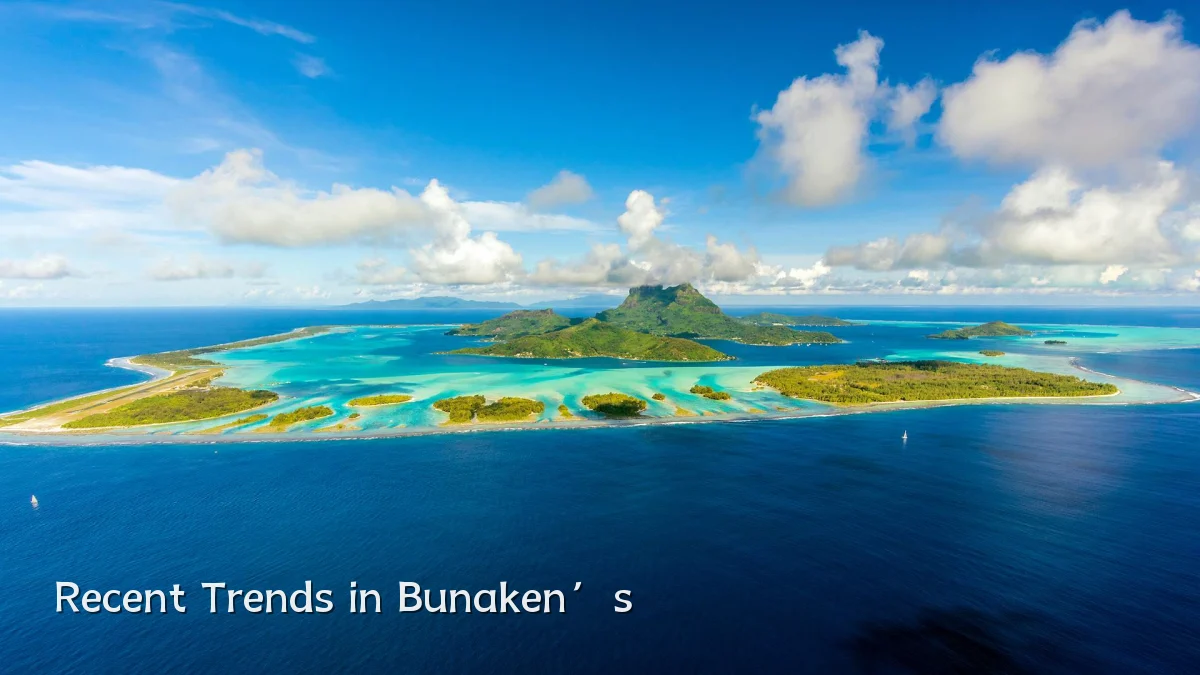
Over the past several years, a shift from basic bungalows to thoughtfully designed eco-resorts has become visible along Bunaken’s coastline. Operators are integrating solar power, rainwater harvesting, and locally sourced building materials. Many now offer reef-safe sunscreen stations and single-use plastic bans. Community-based tourism initiatives have grown, with resorts partnering with local villages for guiding, cooking, and waste management.
- Rise of low-impact architecture using bamboo, reclaimed wood, and thatch
- On-site wastewater treatment and composting systems becoming standard
- Digital booking platforms highlighting verified eco-certifications
- Increased demand for marine conservation activities alongside diving
Background: From Fishing Village to Eco Destination
Bunaken Island sits within the Bunaken National Marine Park, established in the early 1990s to protect its coral reefs and diverse marine life. For decades, tourism centered on budget dive lodges that had limited environmental oversight. As visitor numbers rose, concerns about coral damage, waste disposal, and freshwater shortages grew. In response, a new generation of resort owners began adopting sustainability principles, partly driven by traveler expectations and local government guidelines requiring environmental impact assessments for new developments.

User Concerns When Choosing a Modern Eco-Resort
Travelers today often weigh several practical and ethical factors before booking on Bunaken. Common questions include:
- Authenticity: Is the resort genuinely sustainable, or is it greenwashing? Visitors look for third-party certifications and transparent waste practices.
- Local benefit: How much of the revenue stays in the community? Employment of island residents and support for local schools or health posts matters.
- Comfort vs. impact: Can a resort maintain comfort without air conditioning or hot water? Many eco-resorts offer fan-only rooms and saltwater showers to reduce energy use.
- Accessibility: Bunaken remains reachable only by boat from Manado; some eco-resorts now use electric boats or offer carbon-offset transfers.
- Cost: Sustainable practices can raise room rates, but travelers often accept higher prices when they see tangible conservation outcomes.
Likely Impact of the Eco-Resort Shift
The growing emphasis on sustainability is expected to influence both the environment and the local economy in several ways:
- Marine health: Reduced pollution and controlled visitor flows can help coral recovery and protect turtle nesting sites.
- Economic diversification: Resorts that hire locals and source produce from community farms create supplementary income beyond fishing.
- Traveler experience: Guests report deeper satisfaction when they participate in reef cleanups or mangrove planting during their stay.
- Risk of gentrification: Rising prices may push budget travelers away, potentially narrowing the visitor demographic if not carefully managed.
What to Watch Next in Bunaken’s Sustainable Tourism Evolution
Several developments are likely to shape the next phase of modern Bunaken accommodations:
- Certification standards: More resorts may pursue international eco-labels such as Green Globe or EarthCheck, making choices easier for conscientious travelers.
- Community-led zoning: Village councils could formalize where and how resorts expand, balancing development with traditional fishing rights.
- Climate adaptation: Rising sea temperatures and stronger storms may drive investment in elevated structures and coral restoration nurseries.
- Waste-to-energy pilots: Small-scale biogas digesters and plastic recycling cooperatives are being tested in a few resorts and may become more widespread.
- Digital transparency: Live dashboard reporting of water usage, energy consumption, and waste diversion could become a competitive differentiator.
As traveler scrutiny over sustainability deepens, Bunaken’s eco-resorts appear positioned to serve a growing niche—provided they continue to balance profit, preservation, and partnership with the local community.