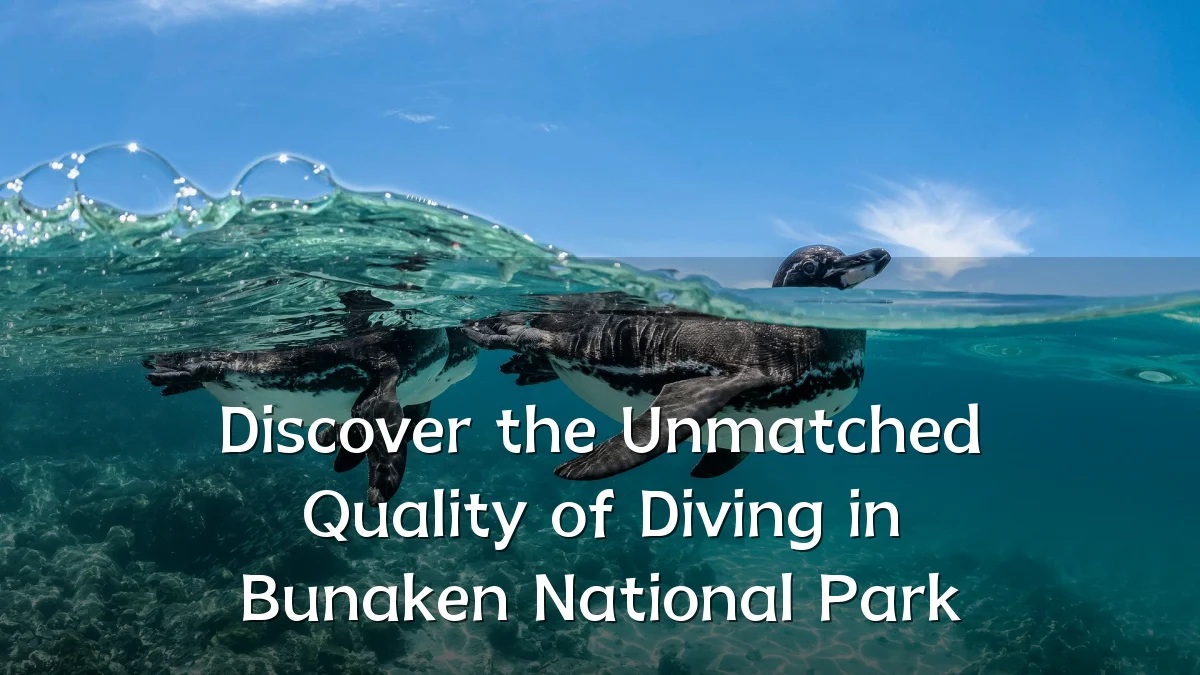
Discover the Unmatched Quality of Diving in Bunaken National Park
Recent Trends
Over the past several seasons, divers and marine biologists have noted a steady interest in Bunaken National Park’s coral reef health and water clarity. Visibility frequently ranges from 20 to 40 meters, and encounters with macro life such as pygmy seahorses and frogfish remain common, alongside larger pelagics like tuna and reef sharks. Recent anecdotal reports suggest that some dive sites show minor coral bleaching during warm-water anomalies, but overall reef resilience appears strong due to consistent current flow and park management practices.
Background
Bunaken National Park, established in 1991 in North Sulawesi, Indonesia, covers approximately 890 square kilometers of land and sea. The park’s underwater geography features steep drop-offs, fringing reefs, and nutrient-rich upwellings that sustain one of the highest marine biodiversity densities in the world. The “quality” of diving here is tied to three factors: the variety of dive sites (more than 20 marked spots), the absence of strong industrial fishing within park boundaries, and the presence of both beginner-friendly shallow reefs and advanced wall dives. Water temperatures typically range from 26 to 30°C year-round.

User Concerns
- Is diving quality declining? Some visitors worry about coral damage from unregulated anchor droppings and inexperienced divers. However, mooring buoys have been installed at primary sites to reduce physical impact.
- Crowding during peak seasons (July–September and December–January) can lead to multiple boats sharing a single site, raising noise and sediment disturbance. Off-peak months offer more solitude.
- Marine litter and plastic pollution from nearby communities occasionally drift into the park, though regular cleanup initiatives by local operators help maintain water quality.
- Accessibility and dive operator standards vary; choosing a reputable operator with qualified guides is a common concern for ensuring safety and responsible interaction with marine life.
Likely Impact
The quality of diving in Bunaken is likely to remain high if current conservation measures continue. The park’s zoning system, which designates core, tourism, and utilization zones, helps balance recreational use with protection. Recent proposals to increase entry fees for international visitors could fund further patrols and reef restoration, but may also affect tourist numbers. Climate change remains the largest unknown—prolonged warming events could reduce coral cover and shift species distribution. On the positive side, local dive associations are expanding coral nursery projects and training more guides in eco-friendly briefing techniques.
What to Watch Next
- Implementation of a mandatory dive insurance requirement (several operators are piloting this).
- Yearly reef health surveys by marine park authorities—public summaries may become more accessible.
- New regulations on single-use plastics at resort and liveaboard operations.
- Expansion of community-based marine patrols to deter illegal fishing near park borders.
- Possible establishment of a “diver code of conduct” endorsed by local governments and NGOs.