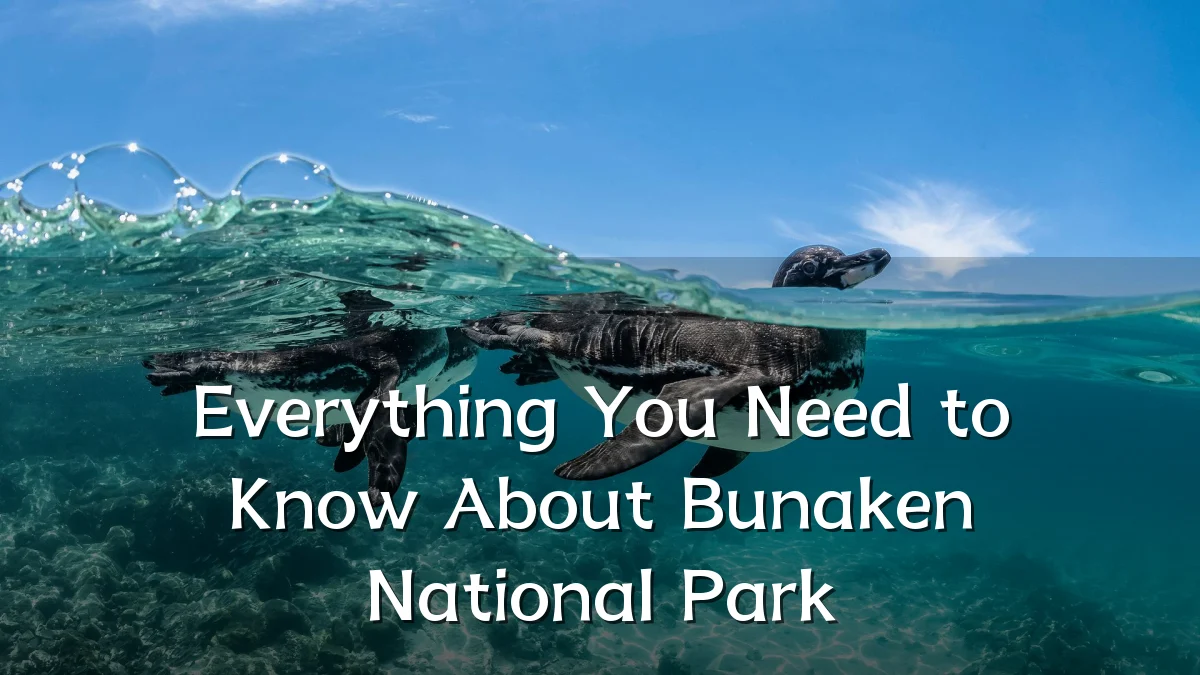
Everything You Need to Know About Bunaken National Park
Recent Trends
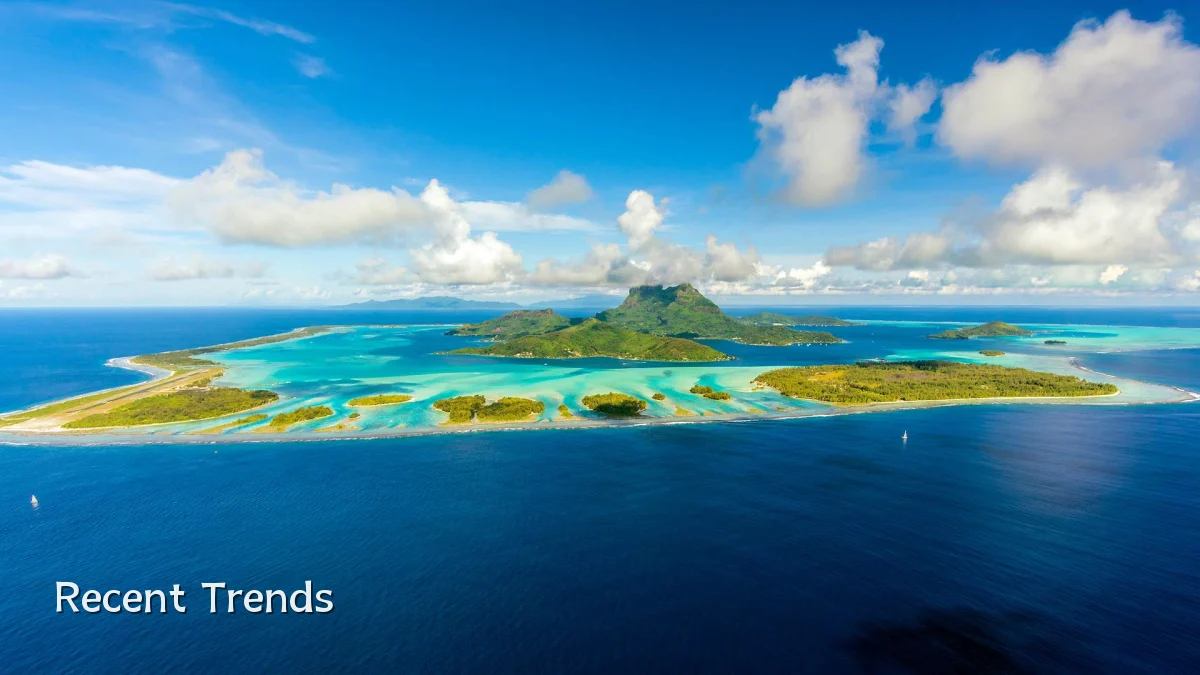
Over the past several years, Bunaken National Park has seen a gradual shift in visitor patterns. The number of independent travelers—especially divers and marine conservation volunteers—has risen, while large cruise ship calls have become less frequent due to changing port schedules and logistical challenges. Simultaneously, local authorities have implemented more structured entry fees and carrying capacity limits to manage the environmental load. Online discussions among travelers increasingly focus on the condition of coral reefs and the effectiveness of park management.
- Growth in eco‑conscious tourism: more visitors seek certified dive operators.
- Seasonal crowding: peak dry months (June–September) still see high demand.
- Increasing use of park entrance fees for community‑based conservation projects.
Background
Established in 1991, Bunaken National Park covers approximately 890 km² of marine and terrestrial area in North Sulawesi, Indonesia. It was later designated a UNESCO Biosphere Reserve. The park protects one of the world’s richest marine ecosystems, with over 390 species of coral and thousands of fish species. Its wall dives, drop-offs, and sea-grass beds attract both recreational and scientific interest. The park comprises five main islands: Bunaken, Manado Tua, Siladen, Montehage, and Nain.

- Core zones restrict fishing and anchoring; buffer zones allow limited traditional use.
- Local communities are involved in management through collaborative agreements.
- Significant biodiversity includes sea turtles, dugongs, and reef sharks.
User Concerns
Travelers frequently raise several practical questions when planning a visit. The most common concerns include accessibility from Manado, the reliability of boat services, accommodation standards, and the balance between conservation rules and visitor experience. Safety during strong currents and visibility depending on monsoon seasons are also recurring topics.
- Access: Most trips start from Manado; public ferries and private charters run daily, though schedules can be irregular during the rainy season.
- Fees and permits: An entry ticket (valid for multiple days) must be purchased in advance or upon arrival; annual and student passes are available.
- Diving conditions: Currents vary widely by site—some are suitable for beginners, while others require advanced certification.
- Accommodation: Options range from basic homestays to eco‑resorts; electricity and fresh water are often limited on smaller islands.
Likely Impact
Ongoing management efforts are expected to gradually improve marine health, though challenges remain. If current enforcement of no‑take zones continues, coral cover could stabilize or increase in protected areas. Increased visitor awareness and operator compliance with sustainable practices may reduce anchor damage and waste. Conversely, climate‑related warming events could stress reefs, potentially affecting fish populations and altering dive itineraries. The park’s revenue model, which channels a portion of fees back to local communities, may strengthen support for conservation and reduce illegal fishing.
- Moderate positive outlook for biodiversity if regulation compliance holds.
- Tourism growth will likely be capped by infrastructure capacity on the islands.
- Long‑term resilience depends on regional ocean temperature trends and sediment runoff from mainland development.
What to Watch Next
Observers should monitor updates to the park’s zoning plan and any changes in the entry fee structure, as these directly affect visitor experience and conservation funding. Policy shifts regarding speedboat permits and waste management on the islands are also worth tracking. For travelers, the most useful real‑time indicators are reef health reports from local dive centers and seasonal current advisories. Broader climate and marine policy developments in Indonesia’s Ministry of Marine Affairs and Fisheries may also shape the park’s future.
- Announcements of revised park tariffs or visitor caps.
- Scientific surveys measuring coral bleaching severity after El Niño events.
- New partnerships between park managers and international conservation NGOs.
- Infrastructure projects (e.g., improved jetties, waste treatment) on the main islands.