Essential English Phrases for Your Bunaken Diving Trip
Recent Trends
Bunaken National Park has seen a steady rise in international visitors seeking its rich marine biodiversity. Many divers come from non-English-speaking countries, yet English remains the common language for dive briefings, safety instructions, and equipment discussions. Recent online discussions among dive operators and travel forums highlight a growing demand for practical English phrase guides tailored to diving contexts—from checking air pressure to signaling underwater.
Dive centers in Bunaken are increasingly offering pre-dive orientation materials in English, but informal surveys suggest that many travelers still arrive without key vocabulary. This gap has spurred online communities and local instructors to share simple phrase lists, especially for emergency communication and equipment terms.
Background
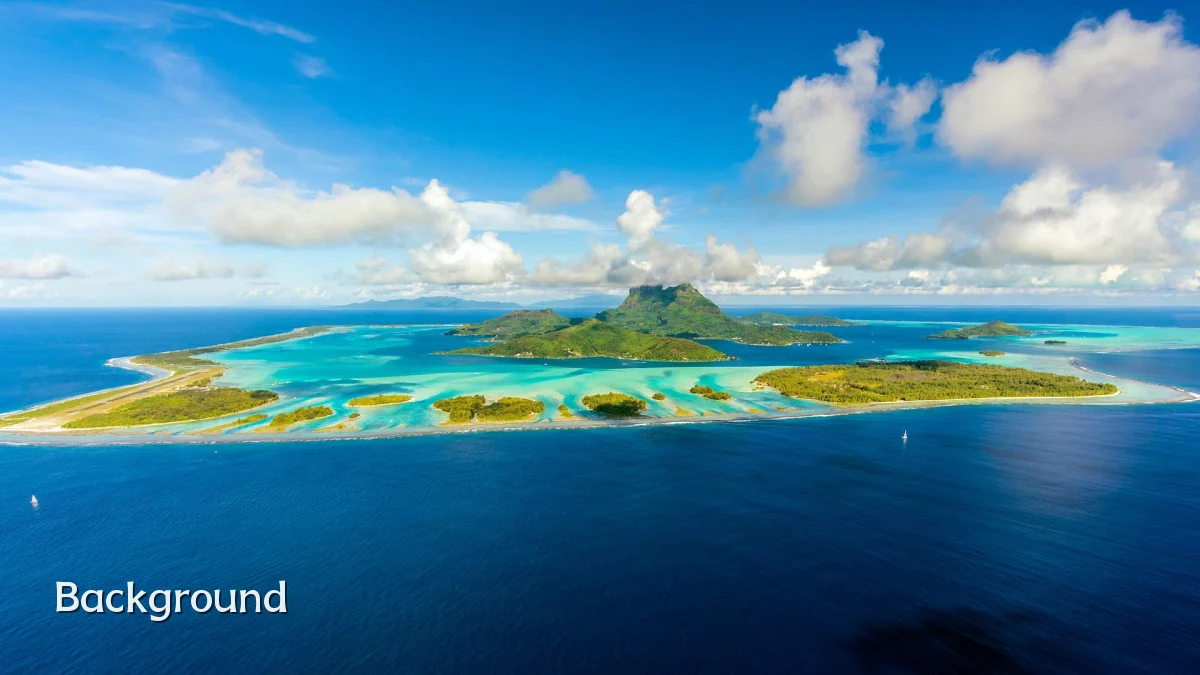
Bunaken Marine Park, located off the coast of North Sulawesi, Indonesia, is one of the world’s top dive destinations. The local dive industry relies heavily on English for consistency and safety, since visiting divers speak many different native languages. Historically, dive briefings have been conducted in a mix of Indonesian and English, but as the number of non-Indonesian-speaking tourists grows, clear English communication has become essential.
Common challenges include understanding dive hand signals, asking for help with gear, and following instructions during drift dives. Many divers also need phrases for boat logistics, medical queries, and environmental guidelines (e.g., not touching coral).
User Concerns
Divers and dive operators alike have voiced several recurring issues related to language on Bunaken trips:
- Safety misunderstandings: Misinterpreting depth limits, ascent rates, or emergency procedures due to limited English comprehension.
- Gear troubleshooting: Inability to describe a regulator issue or a leaking BCD quickly and accurately.
- Marine life questions: Difficulty in asking about local species, currents, or protected areas.
- Cultural barriers: Struggling to convey dietary restrictions or medical conditions during boat meals or pre-dive checks.
- Post-dive reporting: Trouble logging dive details or reporting lost items without a shared vocabulary.
Likely Impact
Addressing the English language gap in Bunaken’s diving scene is expected to improve safety records and customer satisfaction. Dive centers that incorporate essential phrase sheets—either as printed cards or mobile-friendly guides—can reduce mishaps during equipment checks and underwater navigation.
For local guides, better English training builds confidence and professionalism, potentially attracting more referral business. Travellers, in turn, feel more independent and prepared, which can lengthen their stay and increase spending on additional courses or liveaboard trips.
Conversely, ignoring the issue may lead to more incident reports, negative reviews, and a perception that Bunaken is less accessible to novice or non-English-speaking divers. This could nudge some operators to invest in multilingual apps or phrase-focused dive workshops.
What to Watch Next
Several developments are worth monitoring in the coming seasons:
- Dive-center phrase cards: Some Bunaken operators are piloting laminated quick-reference cards with 20–30 core English diving phrases, including hand signals and emergency commands.
- Mobile apps: Independent developers are creating offline translation tools specifically for dive terminology, with Indonesian-to-English and other language pairs.
- Instructor certification updates: International dive agencies may add a language-competency component to instructor courses for high-traffic destinations like Bunaken.
- Community-led phrase lists: Online forums (e.g., Bunaken dive groups) are crowdsourcing and updating essential phrases, often revised after seasonal incidents or new gear introductions.
- Government tourism support: Local tourism boards may subsidise English training for dive guides, targeting both safety and service quality.