Top 10 Reasons Why Bunaken Is a Must-Visit for Divers and Snorkelers

Recent Trends in Marine Tourism
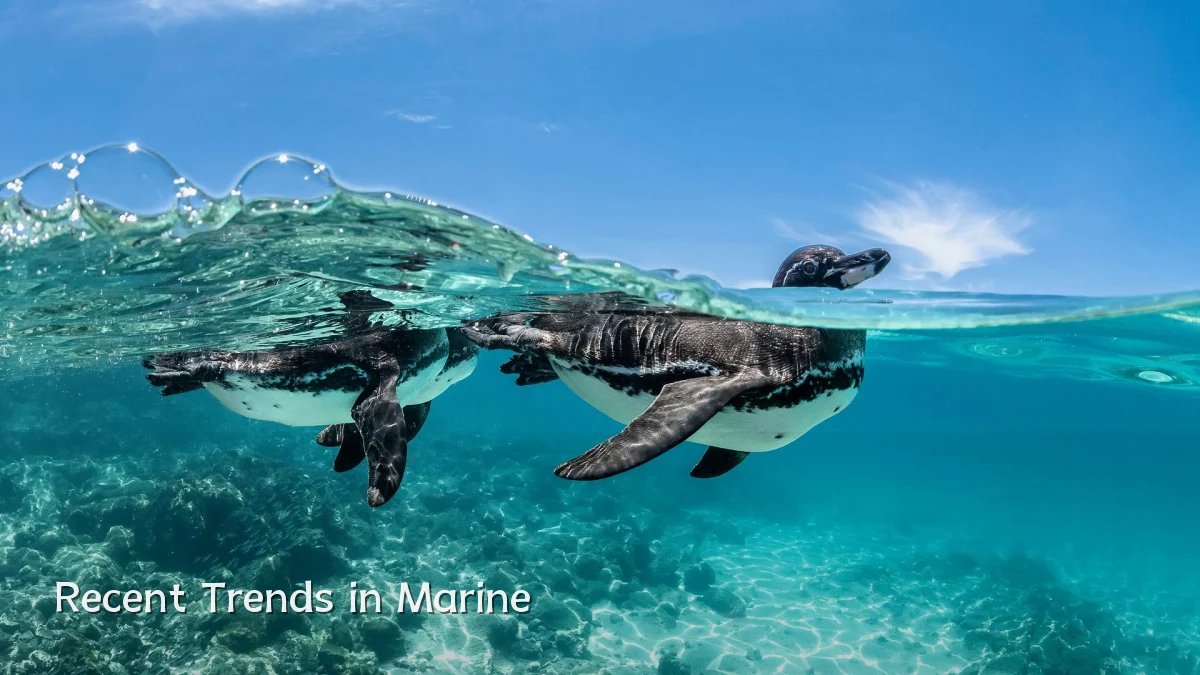
Interest in remote island dive destinations has grown steadily as travelers seek uncrowded reefs and high biodiversity. Bunaken Marine Park, located off North Sulawesi, consistently ranks among the top sites globally for wall diving and pelagic encounters. Social media and dive community forums have amplified its reputation, leading to steady visitor numbers during peak seasons. The trend leans toward longer stays and package bookings that bundle accommodation, guiding, and marine park fees.
Background: Why Bunaken Stands Out
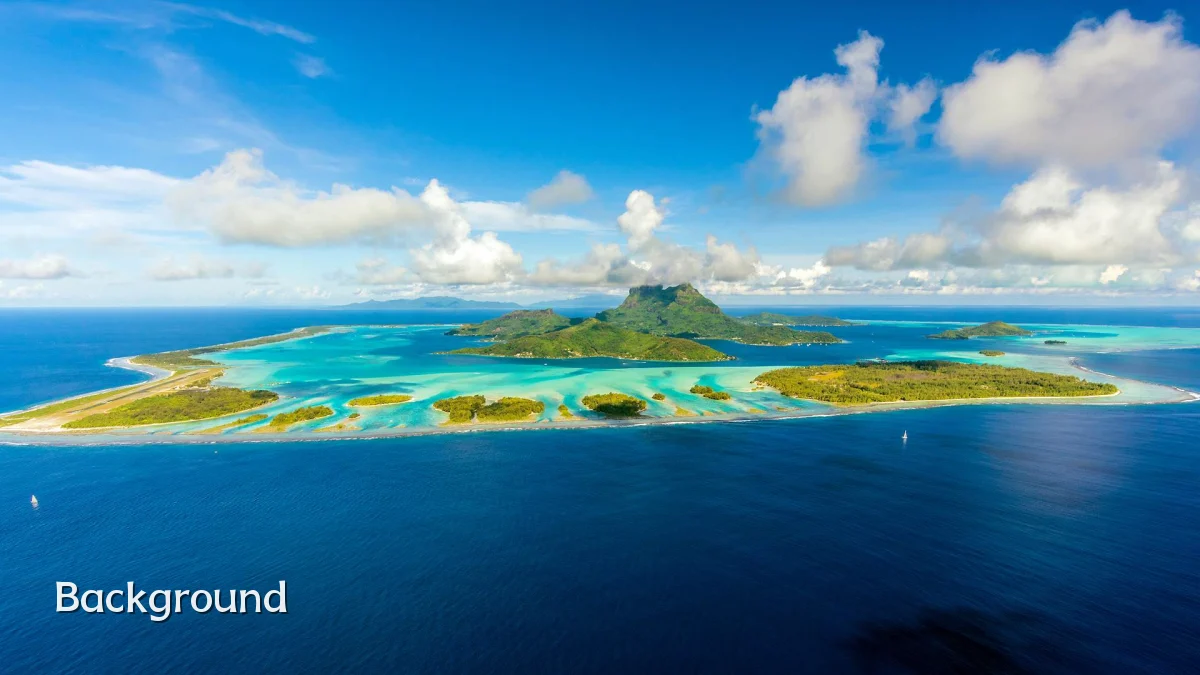
Established as a protected marine area decades ago, Bunaken encompasses roughly 890 km² of coral reefs, mangroves, and seagrass beds. Its steep drop-offs create dramatic walls that attract everything from macro life to large pelagics. The park’s location in the Coral Triangle means visitors can encounter over 70 genera of corals and hundreds of fish species within a single dive. These natural assets form the core of the park’s enduring appeal for both divers and snorkelers.
User Concerns: Accessibility, Safety, and Value
- Accessibility: Direct flights to Manado (MDC) from major Southeast Asian hubs are frequent, followed by a 30–60 minute boat ride to resort islands. Travelers should confirm boat schedules and sea conditions, especially during the rainy season (November to April).
- Safety: Most dive operators follow standard safety protocols, but currents around the walls can be strong. Divers with intermediate experience or better tend to get the most out of the sites. Snorkelers should stay within buoyed areas and use surface marker buoys.
- Cost considerations: Park entry fees and daily dive permits are modest compared to many premium destinations. Accommodation ranges from basic homestays to mid-range resorts; budgets of roughly $50–$150 per day (excluding flights) are common for a comfortable trip.
- Environmental impact: Visitors are asked to use reef-safe sunscreen, avoid touching coral, and participate in park-led cleanups. Overcrowding during peak months (July–October) can stress some sites, but many operators rotate locations to reduce pressure.
Likely Impact on Visitor Experience
The combination of consistent water temperatures (26–30°C year-round) and exceptional visibility (often 20–40 meters) means that even less experienced snorkelers can observe thriving reef life. Divers frequently report encounters with green turtles, reef sharks, and occasional whale sharks, which adds to the draw. Local communities benefit from dive tourism revenue, and some resorts fund conservation patrols or scholarship programs. The main trade-off is that popular sites like Lekuan and Mike’s Point can host multiple boat groups simultaneously during high season, slightly reducing the sense of solitude.
What to Watch Next
- Sustainability initiatives: The park authority is testing mooring buoy systems to prevent anchor damage. If successful, similar setups may expand to high-traffic areas.
- Infrastructure developments: Upgrades to Manado’s airport and road networks could shorten transfer times and potentially increase visitor capacity.
- Seasonal variability: Some dive sites have experienced temporary coral bleaching during strong El Niño events. Monitoring reports from oceanographic agencies can guide travelers to the best months for clarity and health.
- Regulatory changes: Discussions about raising park fees or limiting daily visitor numbers have surfaced in local forums. Travelers planning trips should check official park announcements for any updates.