The Complete Diver's Guide to Bunaken Marine Park
Recent Trends in Bunaken Diving
Interest in Bunaken Marine Park has shifted noticeably over the past few seasons. Divers increasingly seek out experiences that combine high biodiversity with quieter, less crowded reef systems. Popularity of liveaboard trips departing from Manado has risen, while day-trip numbers from resort bases remain steady. Social media exposure of the park’s iconic wall dives and turtle cleaning stations has drawn a broader range of experience levels, from novice snorkelers to advanced technical divers. Park entry fees have been adjusted in recent years to support conservation, though visitors report that payment processes remain inconsistent at some entry points.

Background of the Marine Park
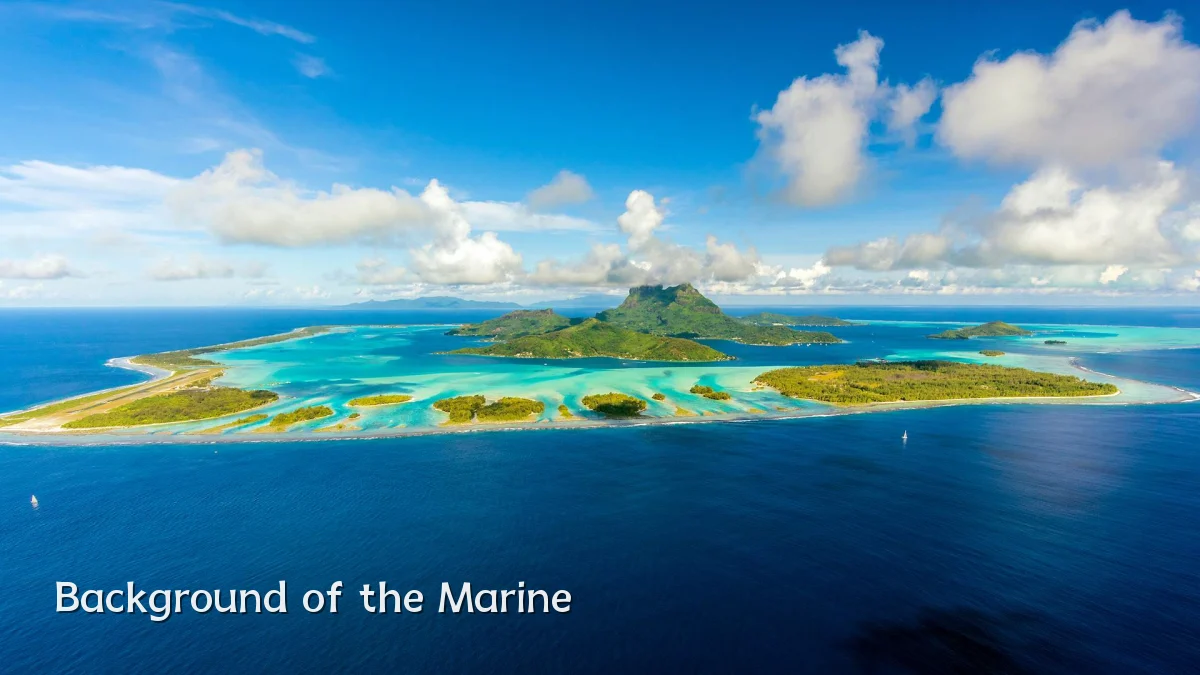
Established in 1991, Bunaken Marine Park covers roughly 890 km² across five main islands: Bunaken, Manado Tua, Montehage, Siladen, and Nain. Its protected waters contain seagrass beds, mangroves, and fringing coral reefs that drop into deep channels and vertical walls. The park holds some of the highest marine biodiversity in the Coral Triangle, with over 300 recorded coral species and more than 2,000 fish species. Current management combines national park authority oversight with local community co-management arrangements, though enforcement of fishing and anchoring restrictions varies across zones.
Key User Concerns for Divers
- Access and logistics: Most dives depart from Manado or resort jetties on Bunaken Island. Boat rides can range from 20 to 60 minutes depending on site location and weather. Operators’ safety equipment and guide ratios are not always consistent, so pre-trip verification is advisable.
- Condition of reef sites: Some frequently visited walls, such as Lekuan and Fukui, show localised coral damage from past anchor impacts and diver contact. Less-visited southern and eastern sites generally appear in better condition, with denser coral cover and higher fish biomass.
- Currents and experience requirements: Several signature dive sites are drift dives with moderate to strong currents, particularly during tidal changes. Beginners should confirm operator policies on guided groups and depth limits before booking.
- Cost and permits: A park entry ticket covers multiple days at a flat rate, but some operators bundle permits into package pricing in ways that may not be immediately transparent. Divers should ask for a clear breakdown of fees.
Likely Impact of Current Conditions
If recent trends continue, the most accessible sites around Bunaken Island itself may see further pressure from high diver traffic, while the less-visited islands of Nain and Montehage could become alternative destinations for those willing to travel further. The park’s co-management model appears to offer resilience, but inconsistent enforcement at local levels may lead to gradual degradation of sensitive reef zones. On the positive side, growing diver awareness of conservation issues is prompting some operators to adopt mooring buoy systems and conduct reef cleanups. Should park authorities standardise fee collection and increase patrols, the long-term sustainability of the reserve could improve noticeably. Conversely, if tourism growth outpaces management capacity, diver satisfaction and marine health could both decline.
What to Watch Next
- Updates to the park’s zoning plan, which may restrict or redistribute diver access to certain sites.
- Adoption of mandatory dive briefing standards and guide certification requirements by local operator associations.
- Development of alternative entry points and infrastructure on less-visited islands, which could shift visitor distribution.
- Implementation of a centralised, digital permit system to reduce inconsistency and improve transparency of fee collection.
- Expansion of citizen science programs that involve divers in coral health monitoring, potentially building a stronger conservation feedback loop.