The Ultimate Guide to Bunaken National Park: Everything You Need to Know

Recent Trends in Bunaken Tourism
Interest in Bunaken National Park has grown steadily over the past several travel seasons, driven by its reputation as one of Indonesia’s premier marine destinations. Recent patterns show an increase in independent travelers and small-group dive operators, rather than large cruise ship visits. Online searches for “Bunaken information” now frequently include queries about sustainable lodging, muck diving spots, and land-based alternatives to liveaboard trips.

- Rise in eco-certified homestays and locally managed dive centers
- More visitors combining Bunaken with Gorontalo or Lembeh Strait trips
- Growing demand for non-diving activities: mangrove trekking, island hopping, and cultural village visits
Background of the National Park
Established in 1991, Bunaken National Park covers roughly 890 square kilometers across five main islands — Bunaken, Manado Tua, Siladen, Montehage, and Nain. The park protects one of the world’s richest marine ecosystems, with over 390 species of coral and thousands of reef fish species. Its fringing reef walls drop vertically hundreds of meters, creating world-class drift diving conditions. Management is shared between the central government, local authorities, park rangers, and community groups, though enforcement and funding have varied over time.
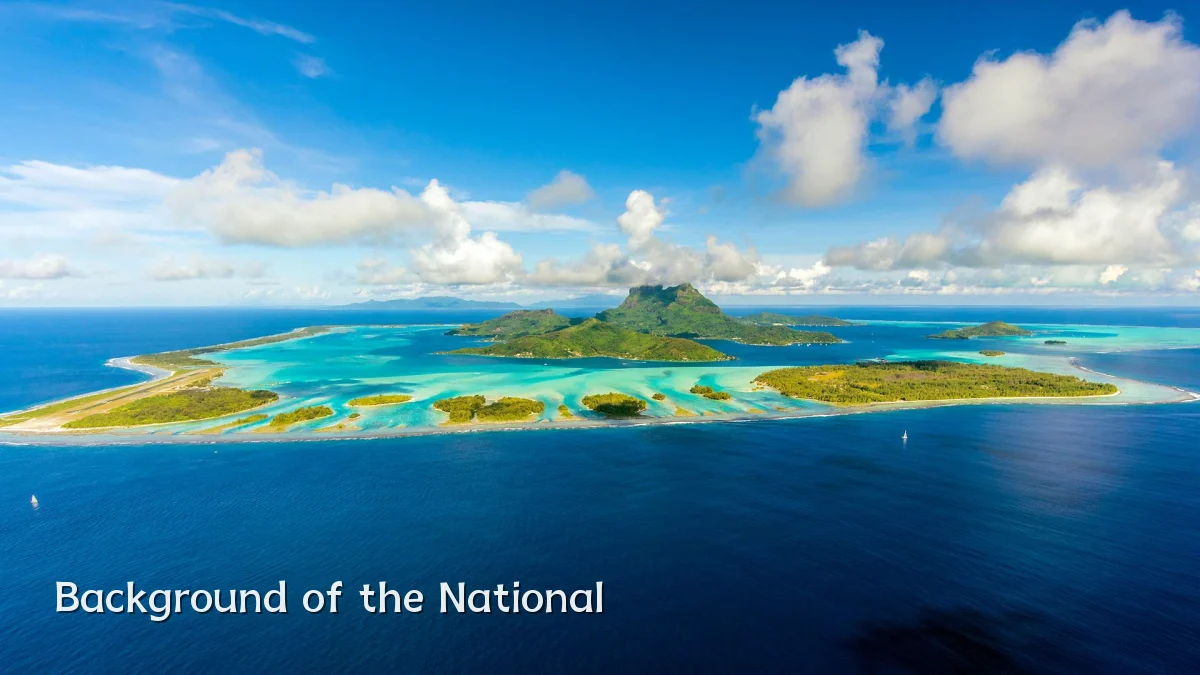
- Key dive sites: Lekuan, Fukui, Mandolin, and Sachiko’s Point
- Entry fee system: visitors buy a daily or multi-day pass at park offices or accredited hotels
- Best access from Manado via boat (30–60 minutes depending on destination island)
Common User Concerns
Travelers planning a trip to Bunaken often raise practical questions about logistics, safety, and environmental conditions. While the park is generally considered well-managed compared to some other Indonesian marine parks, first-time visitors should consider several factors.
“Many first-timers worry about currents and boat schedules. The reality is currents can be strong but are predictable — most dive centers brief on tidal patterns daily.” — paraphrased from local operator advice
- Getting there: Flights to Manado are frequent from Jakarta and Singapore; onward boat transfers must be arranged in advance during off-peak months.
- Accommodation: Options range from basic homestays (under US$30/night) to mid-range resorts (US$80–150/night); electricity and fresh water may be limited on smaller islands.
- Dive safety: Some currents exceed recreational diver limits; choose a center that checks certification and experience levels before assigning sites.
- Coral health: Bleaching events have affected some shallow areas; deeper walls generally remain in good condition.
Likely Impact on Conservation and Local Economy
The sustained stream of visitors brings both benefits and pressures. On the positive side, entrance fees and tourist spending support ranger patrols and community-led coral restoration projects. Local homestay operators and boat drivers earn a significant portion of their annual income from the peak season (June–October and December–January). However, increased boat traffic and unregulated snorkeling can damage fragile reef edges. In response, park authorities have begun testing temporary closures of heavily used sites during spawning seasons and are tightening rules on sunscreen use and anchor placement.
- Estimated daily visitor cap (loosely enforced) at main sites: 200–300 people
- Revenue-sharing model: 70% to park management, 30% to surrounding villages
- Recent pilot programs: biodegradable mooring buoys and mandatory reef-safe sunscreen for all dive centers
What to Watch Next
Over the next one to two travel seasons, several developments could shape the Bunaken experience. The national government has announced plans to upgrade the Manado harbor and improve waste management infrastructure on the islands — though implementation timelines remain uncertain. There is also growing advocacy from dive operators for a mandatory pre-arrival orientation (online or at the park office) covering rules and safety. Meanwhile, climate outlooks suggest sea surface temperatures will continue to rise, which may push some coral species to shift depth ranges, potentially altering dive site conditions. Travelers should monitor local advisories and choose operators that actively participate in reef health monitoring.
- Potential new park entry fee structure (annual vs. per-visit) under discussion by regional government
- Expansion of fast-boat services from Manada’s new wharf, possibly reducing transit times
- Community-based no-take zones being proposed near Siladen and Montehage
- Growing trend of ‘voluntourism’ packages: a few days of reef cleanup in exchange for discounted accommodation